P3132
Using an On-Farm Bacteriological Culture System
Mastitis is the result of an udder infection, typically caused by bacteria invading the teat end. Not only is it the most expensive disease on a dairy farm, but it can also be difficult to detect and treat. Identifying specific mastitis pathogens can help a producer tailor treatment and management decisions for each mastitis case. However, sending samples to a laboratory can be expensive and typically requires a week to obtain results.
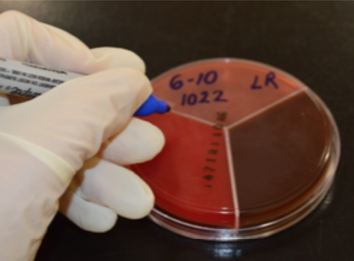
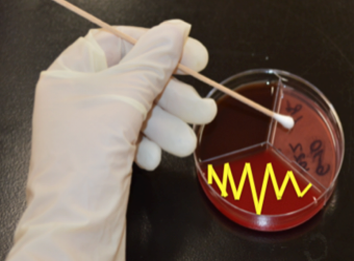
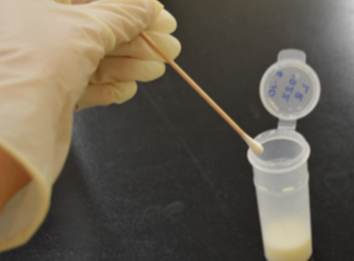
The Minnesota Easy™ Culture System helps producers identify pathogens based on which of the three agars the bacteria grows. This system is easy to use, provides results within 24 hours, and costs about $3.50 per sample. This publication will help producers understand how to streak samples in order to grow bacteria for identification using this system.
Note: Please refer to MSU Extension Publication 3124 Collecting Milk Samples for Microbiological Analysis and Publication 3141 Reading On-Farm Bacteriological Culture Results for tips on collecting aseptic samples and reading the results properly.
Materials Needed
- Incubator
- Sterile swabs, 1 per milk sample
- Tri-plates, 1 per milk sample
- Permanent marker
- Clean table or desk
Adapting an Egg Incubator
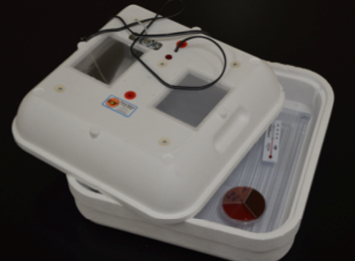
Inexpensive egg incubators can be easily adapted for on-farm bacteriological culturing of samples. However, it is important to select an appropriate model. Temperature control is imperative, so make sure the incubator can reach and hold a temperature of 99°F. Purchase a unit without an automatic egg turner, or remove this element if it is present. Use a still-air incubator instead of a circulating-air system to prevent outside bacteria from entering the unit. Although it is possible to adapt a used incubator, it is best to use a new incubator to decrease the likelihood of contaminating plates.
Several options are available for incubators, and they range in price from about $50 to $100. Once you have selected an incubator, place it in a room away from direct sunlight and manure. Heat the incubator for 24 hours before you use it to make sure it holds the temperature stable at 99°F. You may not use the incubator every day, but it may be helpful to keep it turned on and ready.
Conclusion
On-farm bacteriological culturing allows farmers to identify specific mastitis pathogens and determine the most effective treatment method (including no treatment and culling). It also can be used to make management changes based on herd-level results. You get results faster, and it is less expensive than sending samples to a laboratory. With only a few inexpensive supplies and a few minutes for each mastitis case of interest, dairy producers can identify specific mastitis pathogens within 24 hours. Discuss these results with a veterinarian to develop specific treatment plans for each cow.
Procedure
The information given here is for educational purposes only. References to commercial products, trade names, or suppliers are made with the understanding that no endorsement is implied and that no discrimination against other products or suppliers is intended.
Publication 3132 (POD-04-26)
Reviewed by Francieli Dell’Osbel, Graduate Research Assistant, Agriculture, and Jessica Halfen, PhD, Assistant Extension/Research Professor, Animal and Dairy Sciences. Written by Brittany Bowman, Extension Undergraduate Apprentice, and Amanda Stone, PhD, former Associate Professor, Animal and Dairy Sciences.
The Mississippi State University Extension Service is working to ensure all web content is accessible to all users. If you need assistance accessing any of our content, please email the webteam or call 662-325-2262.
Download
P3132
Using an On-Farm Bacteriological Culture System
251.64 KB