P4191
Successfully Integrating Cover Crops with Agricultural Cropping Systems
Cover cropping is becoming a popular agricultural topic, primarily driven by the goal of improving soil health and water quality, but the concept has been around for years. Cover crops produce vegetation that can help protect the soil from erosion, improve soil organic matter, and provide other benefits during the winter when traditional summer crops are not alive. However, this additional vegetation presents various challenges for cropping systems that can limit return on investment, reduce yield, and discourage adoption.
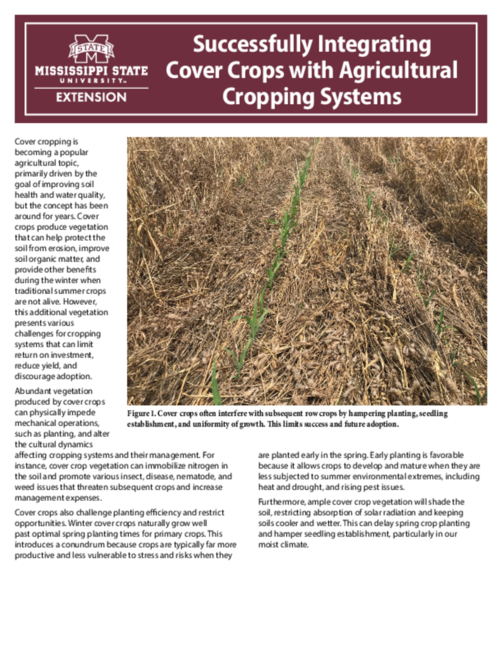
Abundant vegetation produced by cover crops can physically impede mechanical operations, such as planting, and alter the cultural dynamics affecting cropping systems and their management. For instance, cover crop vegetation can immobilize nitrogen in the soil and promote various insect, disease, nematode, and weed issues that threaten subsequent crops and increase management expenses.
Cover crops also challenge planting efficiency and restrict opportunities. Winter cover crops naturally grow well past optimal spring planting times for primary crops. This introduces a conundrum because crops are typically far more productive and less vulnerable to stress and risks when they are planted early in the spring. Early planting is favorable because it allows crops to develop and mature when they are less subjected to summer environmental extremes, including heat and drought, and rising pest issues.
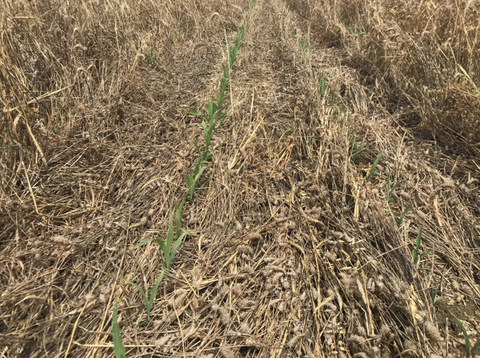
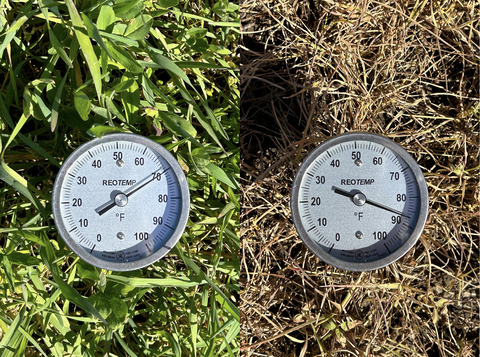
Furthermore, ample cover crop vegetation will shade the soil, restricting absorption of solar radiation and keeping soils cooler and wetter. This can delay spring crop planting and hamper seedling establishment, particularly in our moist climate.
Cultural Methods for Successfully Integrating Cover Crops with Cropping Systems
To successfully integrate cover crops with cropping systems, growers must find a practical management solution between these plant systems, which will require compromise. Winter cover crops naturally grow well past optimal spring planting times for primary crops, so terminating them before crop planting could address many issues. However, the potential benefits associated with cover cropping, such as biomass contribution and nitrogen fixation, may be meager if they are terminated too soon. Conversely, profuse cover crop growth amplifies several problems known to increase failure.
Mississippi State University research evaluated methods to incorporate cover crops into successful cropping systems. Modern cropping systems rely on early planting to optimize productivity by enabling reproductive development during more favorable weather. Abundant spring rainfall common in the Southeast presents considerable difficulty. Wet soil restricts planting opportunity, increases seedling mortality, and stunts growth, reducing crop productivity. Cover crop vegetation can intensify these issues.
Spring Planting Preparation
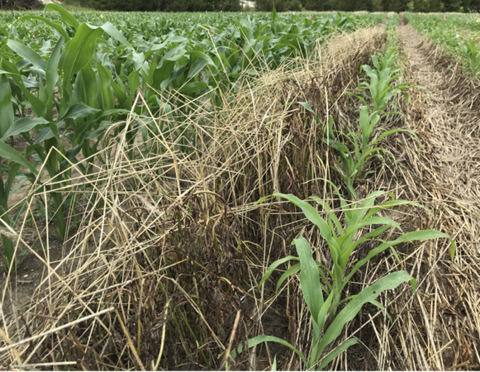
Using herbicides to terminate cover crops before planting is crucial to the successful integration of cover crops with row crops. Terminating cover crops with herbicides is much more dependable and practical than mechanical methods, such as rolling-crimping, mowing, or tillage. This is because abundant spring soil moisture restricts opportunities to use mechanical methods to terminate cover crops.
Cover crop vegetation and decaying plant residue can hinder planter efficiency and stand establishment and reduce grain yield if cover crop termination timing is delayed or when “planting green” into live cover crops. For example, a standard cover crop mixture consisting of cereal rye and berseem clover reduced corn grain yield 8–15% (14–23 bushels per acre) when terminated 2 or 0 weeks preplant, compared with no cover crop in a traditional stale seedbed system. Cover crop vegetation reduced solar radiation absorption and limited soil temperature, which stunted seedling growth and subsequent crop development. However, when terminated 4 or 6 weeks preplant, cover crop systems produce similar corn yield as no cover crop.
Furthermore, this research showed that interference (corn yield reduction) was greater and occurred earlier preplant for cereal rye than for berseem clover. This is because cereal vegetation has higher carbon content than legumes, which makes it slower to decompose. Terminating cover crops when cereals begin stem elongation should reduce potential interference with row crops. In fact, terminating cover crops at this stage may be more practical than basing termination on calendar date, due to varying environmental conditions and intended crop. Cereal stem elongation normally occurs in early to mid-March in Mississippi, depending on latitude and seasonal temperatures.
Manipulating Cover Crop Plant Distribution
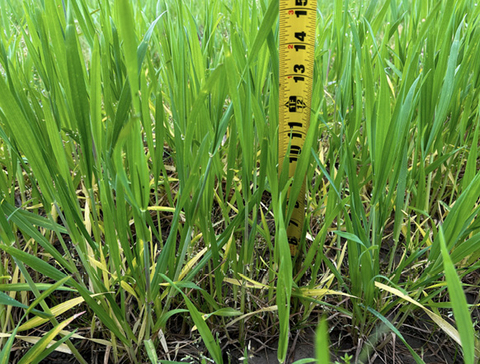
Another method to limit interference is to manipulate distribution of cover crops in the row where seeds will be planted. Our research evaluated numerous seeding methods limiting cover crop presence in the intended planting zone or row. This included mechanical tillage treatments that concentrated cover crop seed in the furrow, rather than the row, as well as strip tillage conducted after cover crop establishment, which physically removed cover crop plants within the row.
Our research showed cover crop plant distribution manipulated by various methods did not affect crop productivity when cover crops were terminated with herbicides several weeks before planting. In other words, cover crop termination is a more effective method of reducing cover crop interference than manipulating plant distribution.
Planter Modifications
Row crop planters are designed to function in bare soil, so planter modifications are usually needed to help displace troublesome cover crop vegetation. There are a host of attachments that can supplement or replace planter parts, including coulters, row cleaners, and closing systems, to improve performance in cover crops or any high-residue situation. The purpose of these products is to cut and remove vegetation from the row to improve planter efficiency and maximize seedling establishment. Accordingly, effective row cleaners and closing systems rely on sharpened disc blades with serrated, angled teeth to cut vegetation, remove it from the planting zone, and close the seed furrow to ensure seed-to-soil contact. Conversely, popular row cleaners with spikes or fingers (not designed to cut or remove vegetation and roots anchored in the soil) may struggle when used in cover crops.
Conclusion
The best method to address the primary issues associated with growing cover crops is to terminate them with herbicides before planting the primary crop. This interlude reduces the opportunity for problems to carry over to the subsequent crop, known as the “green bridge.” Problems also closely correlate with the amount of vegetation generated; early cover crop termination will reduce many complications, including vegetation obstructing seed placement, furrow soil coverage, and seed water imbibition, that hamper crop stand establishment.
Publication 4191 (POD-05-26)
By Erick Larson, PhD, Professor and Extension Corn Specialist, Plant and Soil Sciences; Jason Bond, PhD, Extension/Research Professor, Delta Research and Extension Center; Jason Krutz, PhD, Vice President of Research and Sustainability, Chicot Irrigation; Rocky Lemus, PhD, Extension/Research Professor, Plant and Soil Sciences; Will Maples, PhD, Associate Professor, Agricultural Economics; and Dave Spencer, PhD, Assistant Professor, Water Resources Research Institute.
The Mississippi State University Extension Service is working to ensure all web content is accessible to all users. If you need assistance accessing any of our content, please email the webteam or call 662-325-2262.
Download
P4191
Successfully Integrating Cover Crops with Agricultural Cropping Systems
1.13 MB
Authors
-
 Extension/Research Professor
- Plant and Soil Sciences
-
 Extension/Research Professor
- Delta Research and Extension Center
-
 Extension/Research Professor
- Plant and Soil Sciences
-
 Associate Professor
- Agricultural Economics
-
 Associate Professor
- Water Resources Research Institute