News Type
Forage wild, edible plants with care for unique foods
Published
Updated

Sherry Bell, an environmental educator with the Mississippi State University Extension Service, prepares to pick spiderwort, an edible plant that grows wild in Mississippi. (Submitted photo/ Dennis Randall)
STARKVILLE, Miss. -- Growing interest in sustainability and becoming self-sufficient has many people learning old skills, including foraging in the wild for food to supplement their meals.
This modern homesteading trend and the back-to-the-land movement is a direct response to the challenges of modern life and a desire to reconnect with nature. It is a practical effort to regain control over food quality, reduce waste and build resilience against supply chain disruptions. It also brings people closer to their ancestral roots.
Sherry Bell, an environmental educator with the Mississippi State University Extension Service, supports this need for knowledge in a variety of ways. She recently hosted a training session on identifying, harvesting and correctly preparing a variety of easily accessible wild edible plants.
“Knowing about wild edible plants provides an opportunity to broaden your knowledge on self-sustainability practices and improve food security,” Bell said. “Learning foraging skills is one way to understand our heritage and can even build community connectedness while being involved in environmental conservation.”
Bell called many wild, edible foods “forgotten foods,” as they are plants, mushrooms and animals that ancestors generations ago used for nourishment, healing and survival.
“These are foods we lost touch with due to the availability of foods produced through modern agriculture and commercial practices,” she said. “Many of these forgotten foods are nutritionally rich in vitamins, minerals and antioxidants.”
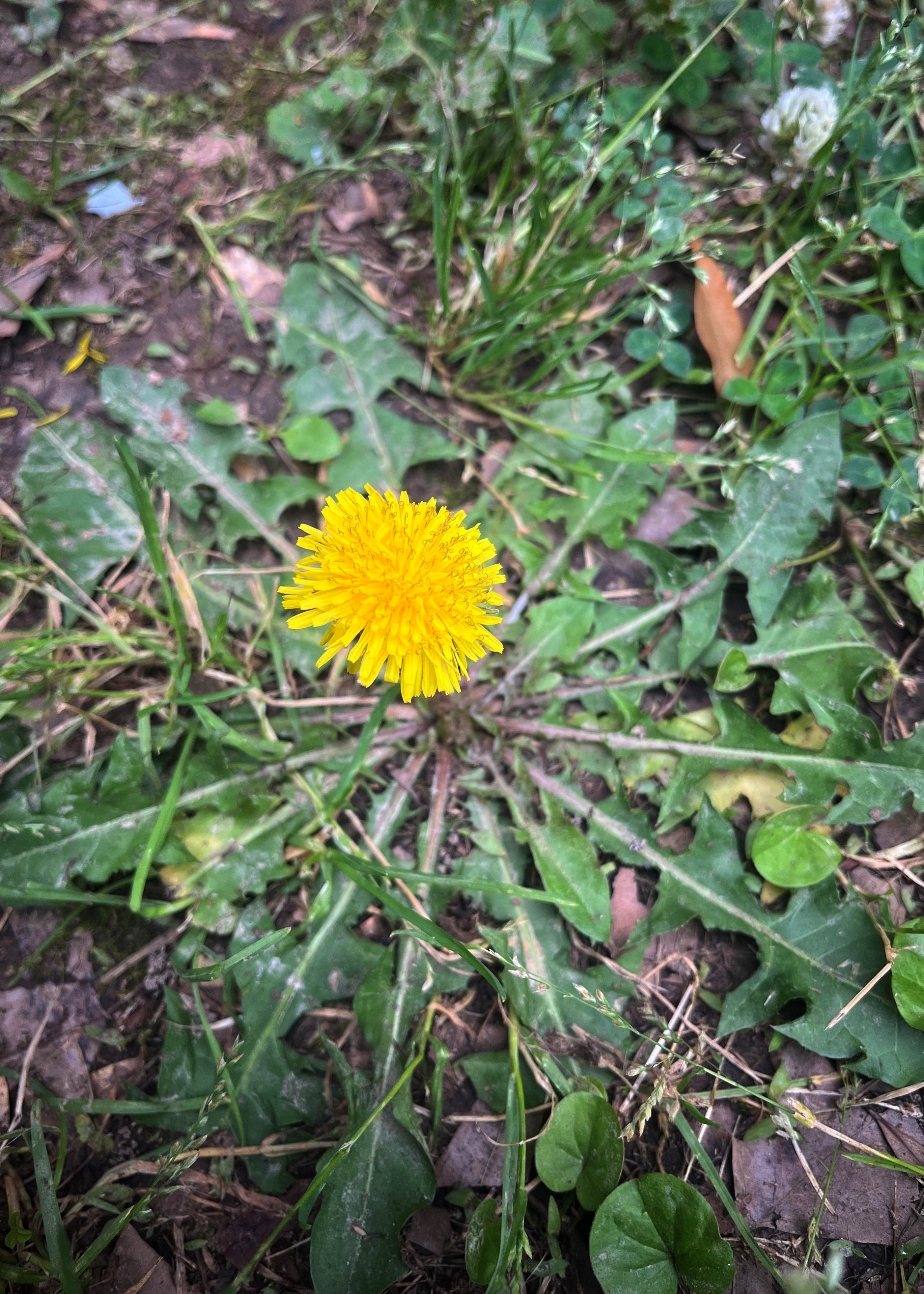
Bell discussed several plants that grow wild and are good to eat. First was dandelion, known scientifically as Taraxacum officinale, which most homeowners know as a perennial weed in their lawn.
“The young leaves can be harvested in early to mid-spring. It is a green you can eat raw, boil or batter and fry it, especially the flowers,” Bell said. “The leaves, flowers and roots are all edible.”
She said the dried roots were used in the Civil War as a substitute for coffee or tea, and the plant has been shown to be rich in vitamins and minerals, and have anti-inflammatory, antibacterial and antifungal properties.
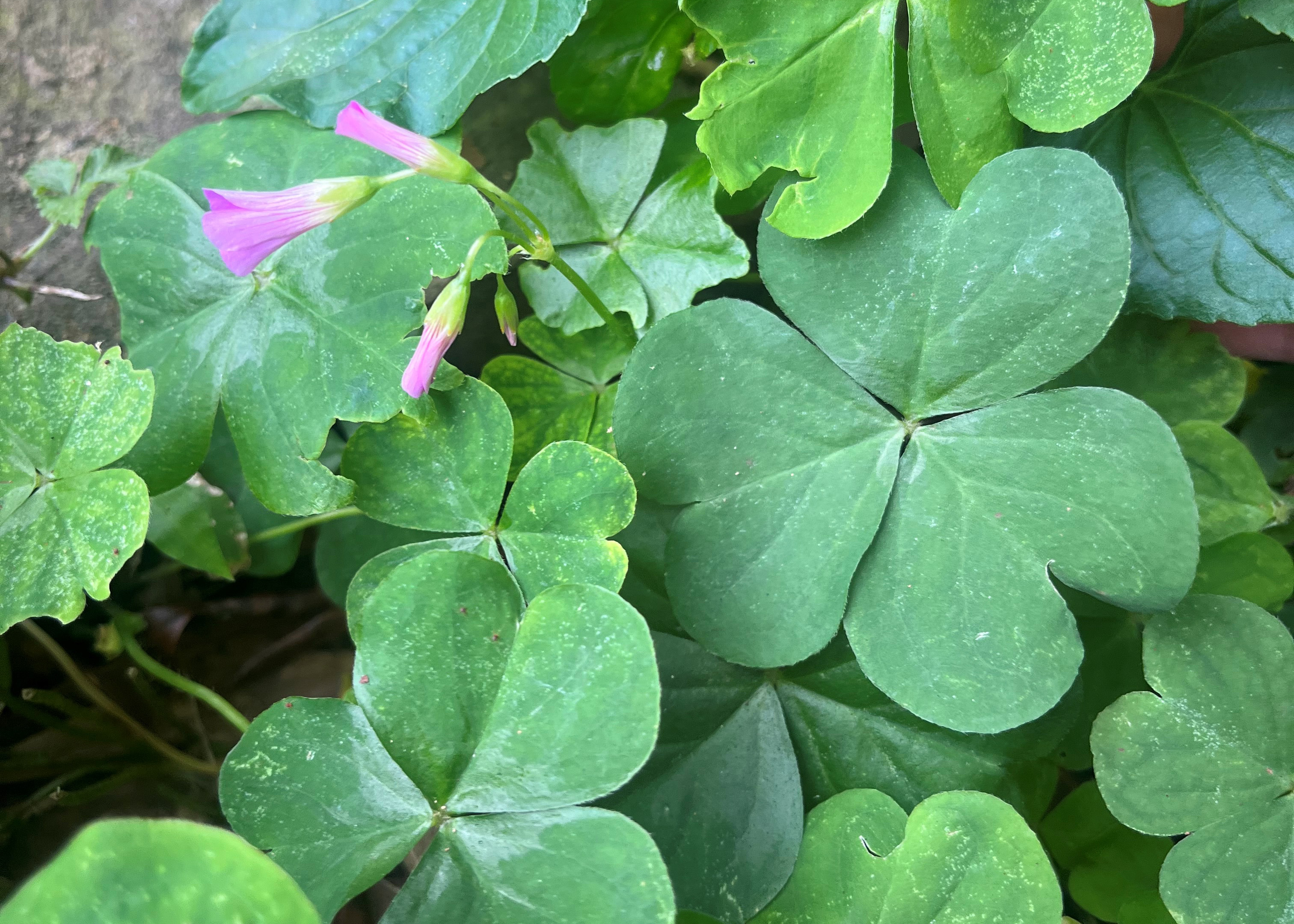
Wood sorrel, or Oxalis, is another perennial lawn weed also found in woodland areas. It has flowers that are usually yellow, pink or white, and the plant has a lightly sour, lemony taste.
“All parts of the plant can be eaten, and it is often used in salads and soups,” Bell said.
Another yard weed is the plantain, scientifically known as the Plantago species. It is a non-native perennial brought over by early European settlers for use as food and medicine. It can be eaten raw or cooked, and young leaves are tender and have a mild flavor.
Common purslane, or Portulaca oleracea, grows in the wild and can sometimes be bought as seed. Related species are sold in garden centers as landscape plants, but all are edible.
“Common purslane is very high in omega-3 fatty acids and has seven times more beta-carotene than carrots,” Bell said. “It has a very mild, salty and tangy flavor, and all parts can be eaten raw, steamed or pickled.”
Common purslane has a very long history as a food, as it was cultivated in ancient Egypt and eaten by the Romans. It is currently cultivated in Asia and India for food.
Amaranth, or pigweed, is a native annual weed found throughout North America and known scientifically as the Amaranthus species.
“The young leaves and seeds are edible and were a common historic food for native American tribes,” Bell said. “You boil the leaves as greens, and the seeds are gluten free and can be crushed down into a flour. They are still commonly eaten in South and Central America and the Caribbean.”
Even thistles, the scientific species Cirsium, are edible. Those tall, prickly plants with the purple bloom on top have stems that, once the woody exterior is carefully removed, can be eaten raw or cooked. Their roots, too, are edible.
Jerusalem artichoke, or Helianthus tuberosus, is a perennial native sunflower that produces an edible tuber. It was commonly cultivated by Native Americans and tastes a lot like a potato. The tuber is low in starch and can be eaten raw, roasted, pickled or fried.
“When harvesting, use the one-third rule,” Bell said. “Harvest one-third of what is available, leaving the rest for wildlife and regeneration.”
Other plants are edible, but foragers must prepare them carefully to remove toxins. Among these are pokeweed, often called poke salad or poke sallet, and elderberry.
Shaun Broderick, MSU Extension horticulturist and researcher with the Mississippi Agricultural and Forestry Experiment Station, said despite how easy it can be made to look on social media, foraging for edible foods requires skill.
“There are a lot of plant look-alikes out there, so it is important to know how to identify plants before you try them,” Broderick said. “Misidentifying plants can have unpleasant and even dangerous consequences.”
An example of look-alikes is poison hemlock, known scientifically as Conium maculatum, which looks somewhat like Queen Anne’s lace or parsley. If misidentified and eaten, poison hemlock can lead to serious health complications and even death.
“You must be sure of what you are eating,” he said. “It is a good idea to use at least three different resource guides to properly identify plants.”
Avoid foraging along farm edges and roadways where chemicals may be used for weed and insect control. Also, a person may have allergy concerns with unknown foods.
“You can do a touch test by crushing the leaves and rubbing their sap on your inner wrist,” Broderick said. “Wait about 15 minutes. If you feel any itching, burning or tingling, or if you see a rash develop, do not eat it.
“A plant may be considered safe to eat, but knowing if you have sensitivities to it can save some personal discomfort later,” he said. “Always check with your doctor to ensure that the foods you are foraging do not interact with your medications and will be safe for you to eat.”
Get permission before entering or harvesting on private lands, and know that it requires a permit to harvest on most state or federal park land.
Find more information in MSU Extension Publication 4173, Forgotten Foods: Introduction to Wild Edible Plants, or Publication 4175, Forgotten Foods: Common Purslane.
Images
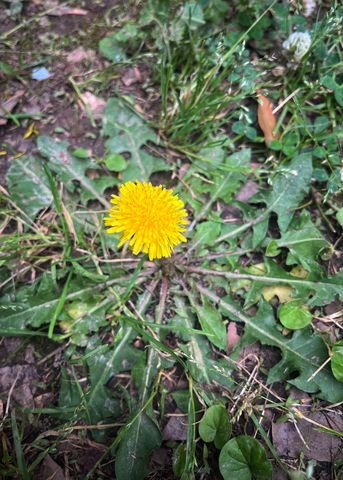
The availability of foods produced through modern agriculture and commercial practices lead to many edible plants being forgotten, such as this dandelion which grows frequently in yards as a weed. (Submitted photo by MSU Extension Service/Sherry Bell)
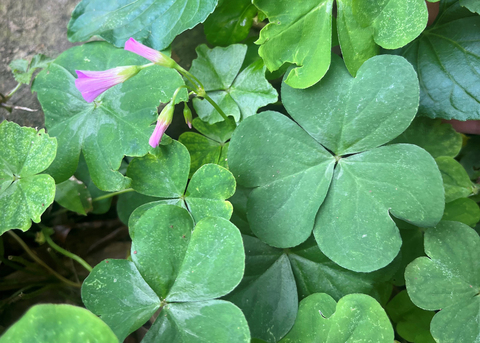
Wood sorrel is a perennial lawn weed also found in woodland areas. All parts of the plant are edible, and it is often used in salads and soups. (Submitted photo by MSU Extension Service/Sherry Bell)
Contacts
-
 Assoc Extension/Research Prof
- Truck Crops Branch Exp Station
-
 Associate Extension Professor
- Central MS Research & Ext Center