News Type
A variety of azaleas bring spring blooms
Published
Updated

The Southern Indica group remains the most popular azalea variety, as they are large shrubs with a spectacular spring show. This is the George Lindley Taber variety. (Photo by MSU Extension/Eddie Smith)
Few shrubs say “spring in Mississippi” quite like azaleas, and mine are getting ready to burst with blooms.
Azaleas thrive here so well that some gardeners get the impression you can simply stick them in the ground and walk away. Unfortunately, that is not the case.
Azaleas are well adapted to our climate, but they still have some very specific needs if you want them to look their best year after year.
First and foremost, azaleas must have excellent drainage.
These shrubs prefer organic-rich, acidic soil, and soggy conditions are a sure way to shorten their lifespan. One of the best ways to ensure proper drainage is to plant azaleas in raised beds. This allows water to move freely through the soil instead of pooling around the roots when we get heavy rains.
Because azaleas are shallow-rooted, they can dry out quickly, especially when newly planted. It is important to provide supplemental water when the plants are getting established. Mulch is essential to help conserve moisture, moderate soil temperature and protect those surface roots.
Once established, fertilize azaleas twice a year in late winter and again in mid-summer. I prefer using fertilizers labeled specifically for azaleas and camellias. Apply this evenly across the bed.
Prune azaleas right after they bloom, and only as needed. Heavy pruning after June 30 can reduce next year’s flowers, but light shaping later in the season won’t hurt.
Beyond proper planting and care, smart azalea selection can help you manage weather surprises and stretch your bloom season.
Among the most cold-hardy groups are Kurume azaleas and Girard hybrids. By mixing a few of these in with the familiar Southern Indicas, you’re hedging your bets during harsher-than-normal winters.
Late-blooming groups like the Robin Hill hybrids and Satsukis offer another advantage.
The word Satsuki means “fifth month” in Japanese, and these azaleas typically bloom from April into early May. If a late frost wipes out early flowers on other varieties, these are often still ready to make their debut. Even in mild years, they help spread azalea color over a longer period.
Encore azaleas add yet another layer of interest.
Like an encore at a concert, these azaleas bloom again after spring. While the spring display is the most dramatic, it is not unusual to see flowers during summer and a strong show again in fall.
All Encore varieties are smaller than Southern Indicas, usually topping out around 36 to 42 inches tall. Their attractive foliage makes a great backdrop for their bright blooms.
The Southern Indica group remains the most popular, and for good reason. These are large, bold shrubs that put on a spectacular spring show. They are cold hardy to around 10 degrees on average and a favorite of gardeners and butterflies alike.
Well-known varieties include Formosa, G.G. Gerbing, Judge Solomon, George Lindley Taber and Pride of Mobile.
No shrub delivers a photo-worthy moment quite like an azalea in full bloom.
By preparing your flower beds properly and spreading your selections across several azalea groups, you can create a layered look in the landscape and protect your spring display from late freezes. You will also get to enjoy flowers from early spring into fall. That’s a win for both the garden and the gardener.
Images
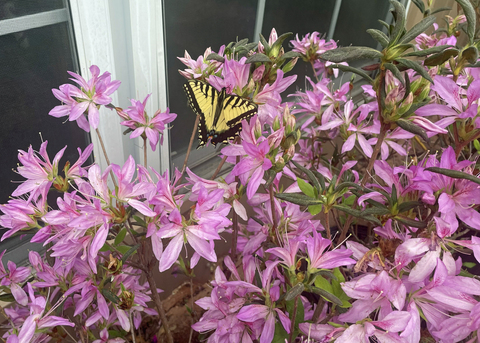
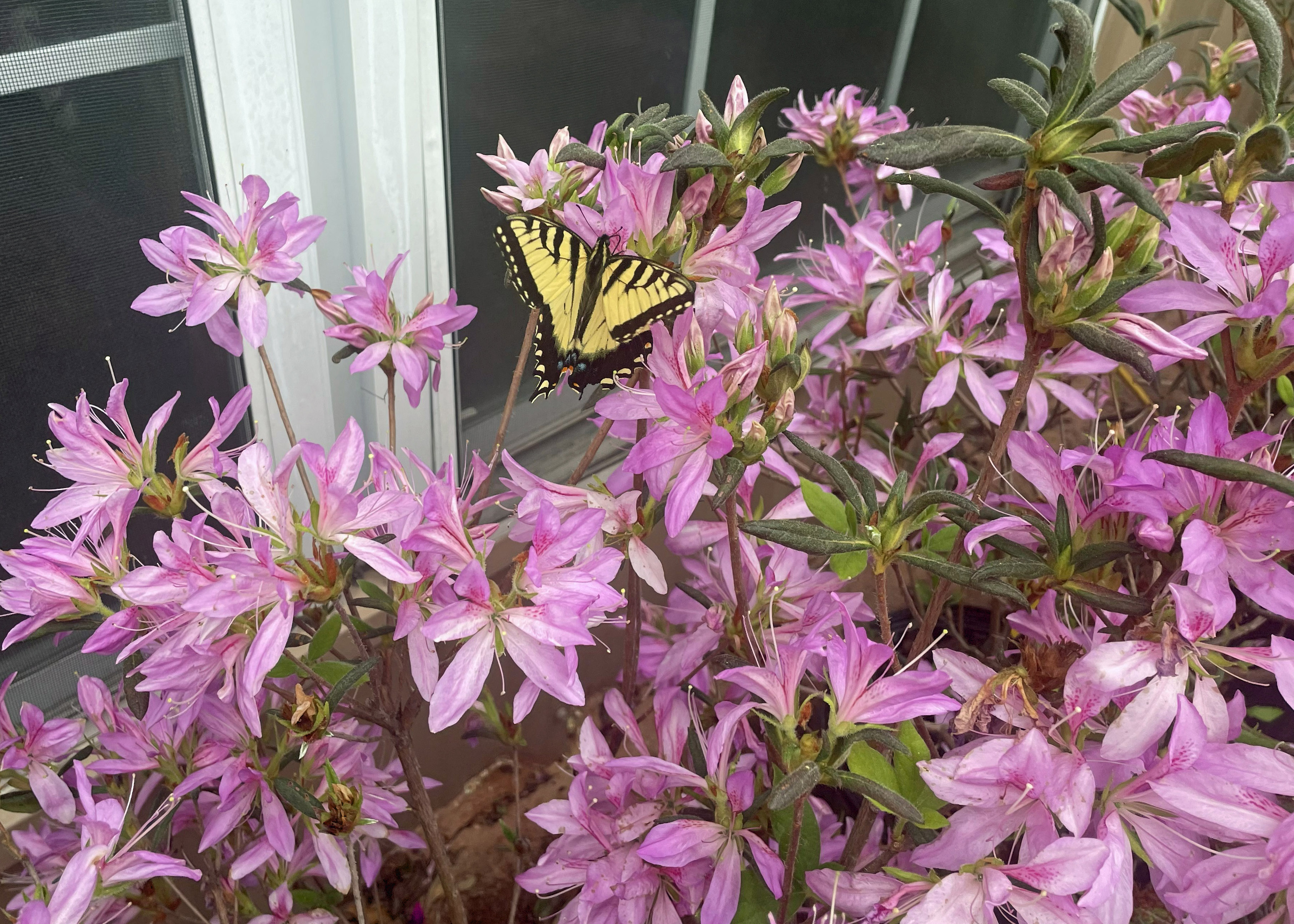
This Koromo-shikibu is a hybrid azalea and one that pollinators enjoy. (Photo by MSU Extension/Eddie Smith)
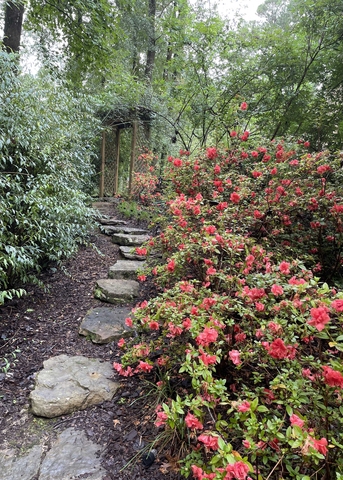
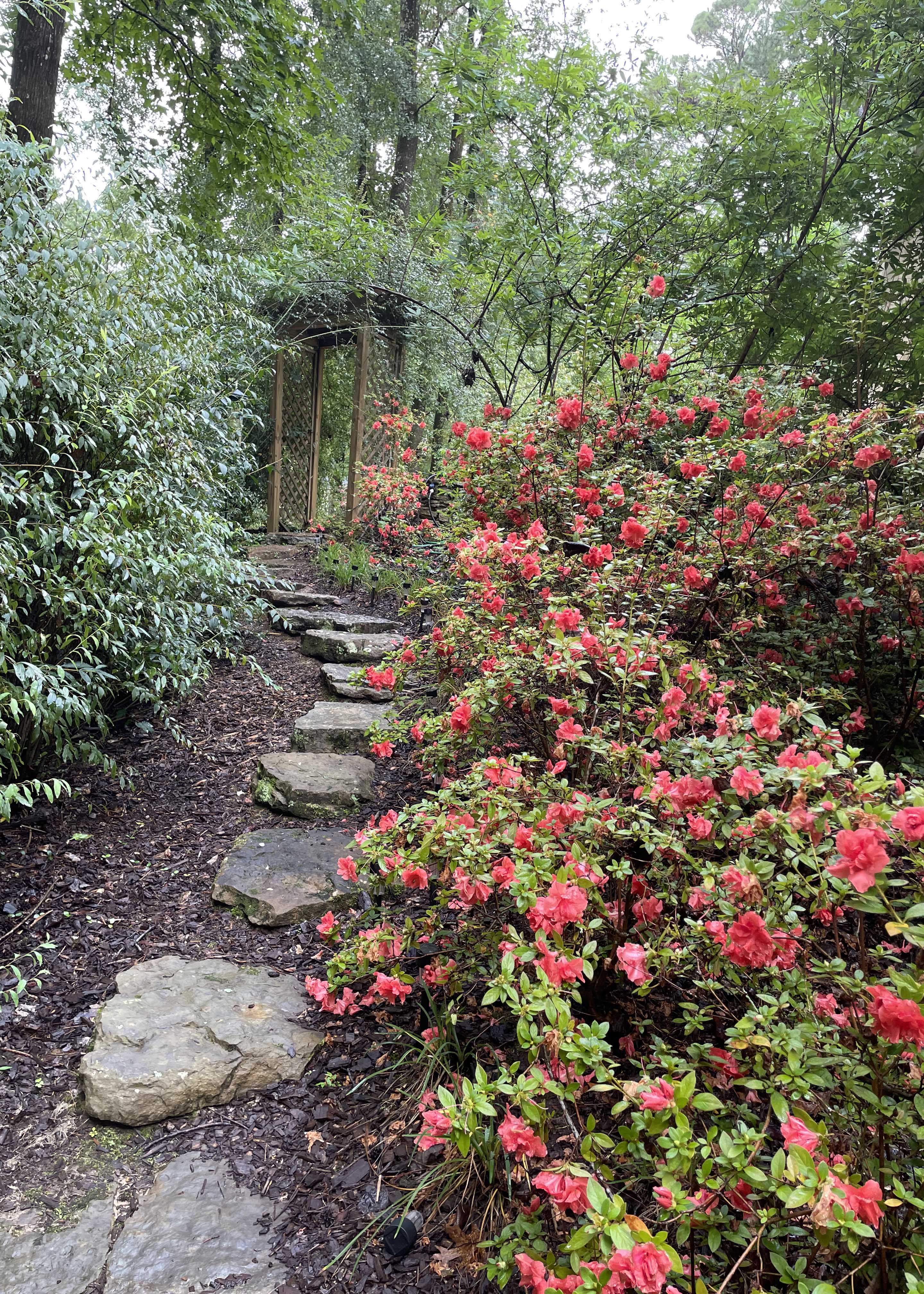
Although smaller shrubs than many traditional azaleas, these Encore azaleas bloom again after spring, typically in the summer and a strong show in fall. (Photo by MSU Extension/Eddie Smith)
Contacts
-
 Extension Specialist I
- Extension Programmatic Support