News Type
Outstanding perennials add to butterfly garden
Published
Updated

The blooms of Robert Poore phlox are produced in large, rounded clusters of fragrant flowers that are hard to miss in the garden. (Photo by MSU Extension/Eddie Smith)
The last stop on this summer’s tour of the Yazoo National Wildlife Refuge Butterfly Garden examines three outstanding perennials.
These plants are not only beautiful year after year, but they provide valuable nectar and pollen for butterflies, bees and other beneficial pollinators.
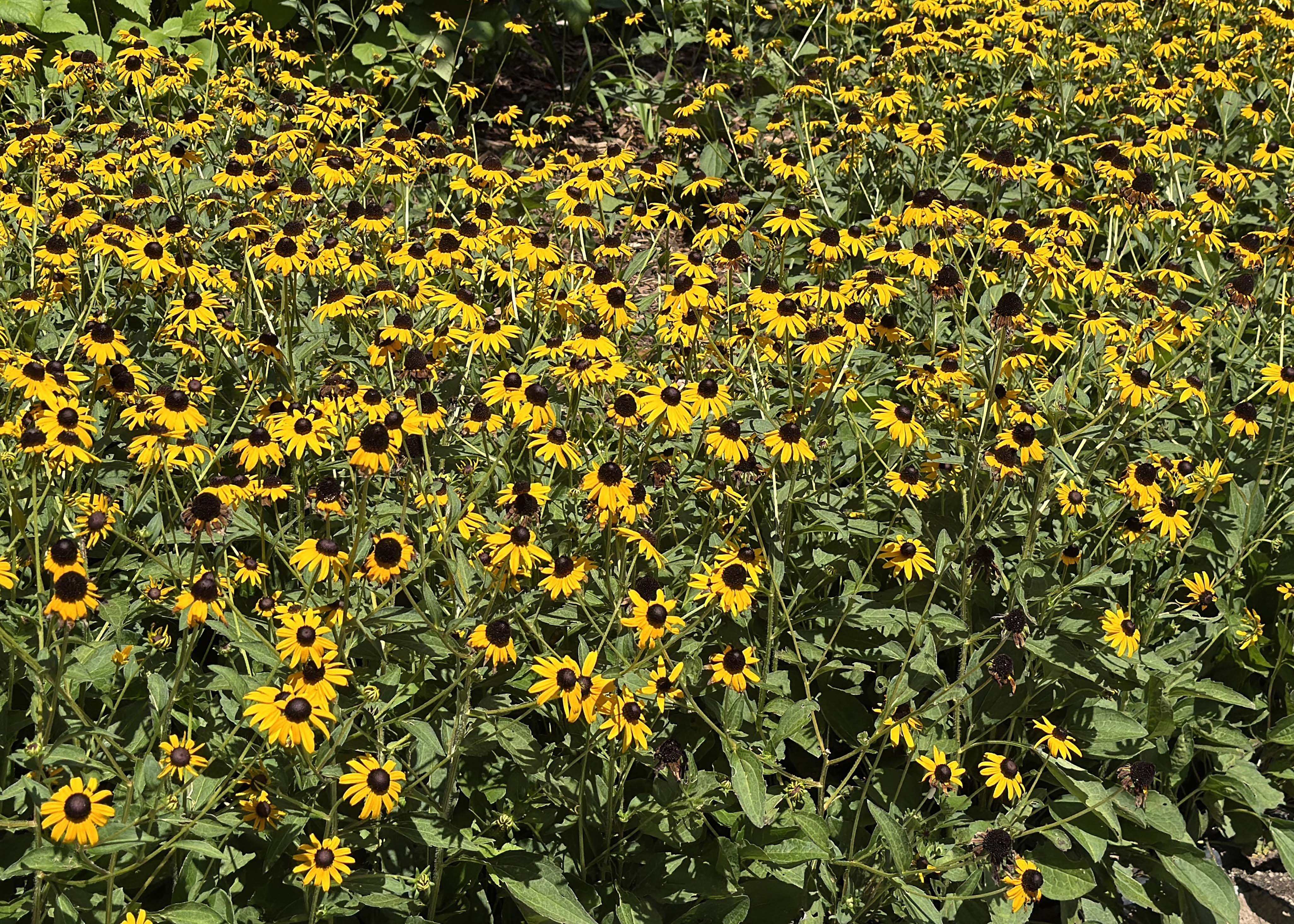
The first is one of the most recognizable perennial flowers in the garden, the Goldsturm Black-Eyed Susan.
Goldsturm produces masses of brilliant golden-yellow, daisy-like flowers with prominent dark brown to black centers. The contrast between the bright yellow petals and dark centers makes these flowers stand out in the landscape.
They are a spectacular display of color when in full bloom and are relatively easy to grow. Give Goldsturm plenty of sunshine and well-drained soil, and once established, it can provide years of dependable summer color.
Next is Robert Poore phlox, a selection thatproduces large, rounded clusters of fragrant flowers.
The blooms are produced in clusters and are a beautiful pink to rosy-purple. These flowers create a strong splash of color in the garden that is hard to miss.
Robert Poore phlox performs best in a sunny location with good soil drainage and consistent moisture. Provide adequate air circulation around the plants to help promote healthy foliage.
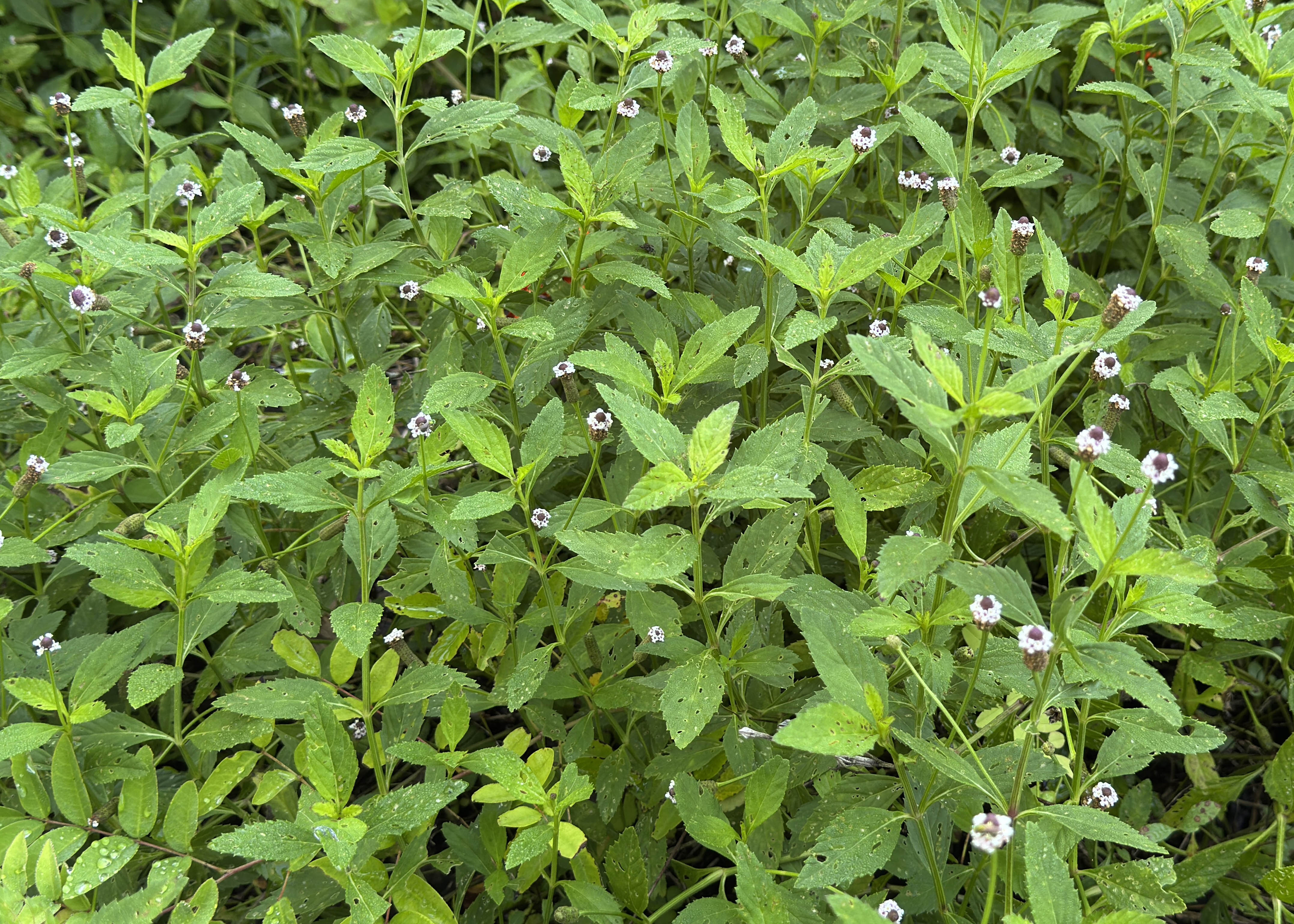
Not as many people are familiar with the last perennial, Phyla lanceolata, but I think it deserves much more attention than it gets.
Commonly known as Lanceleaf Fogfruit or Frogfruit, this plant produces small clusters of delicate white flowers, often with a touch of purple or pink. Despite their size, these tiny blooms can be extremely attractive to pollinators.
One of the things I particularly like about Lanceleaf Fogfruit is its growth habit. It spreads across the ground, making it useful for filling in spaces between taller perennials while providing another layer of flowers for pollinators to explore.
Using plants with different growth habits is an important part of creating a successful pollinator garden. Taller plants provide vertical interest, while lower-growing plants help cover bare ground and create additional flowering opportunities.
This journey through the Yazoo National Wildlife Refuge Butterfly Garden has highlighted tall native perennials, colorful annual flowers and dependable perennial favorites. Together, they provide nectar, pollen, shelter and blooms to create a beautiful landscape that also supports the pollinators that are so important to our gardens and ecosystems.
I hope these plants have inspired you to look at your own landscape a little differently. Next time you travel through the Mississippi Delta, be sure to visit the Butterfly Garden at the Yazoo National Wildlife Refuge to be reminded of just how much life a thoughtfully planted garden can attract.
Images
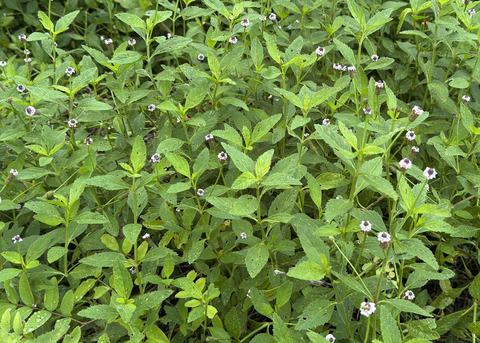
Frogfruit is a relatively unknown perennial that produces small clusters of delicate white flowers that can be extremely attractive to pollinators. (Photo by MSU Extension/Eddie Smith)
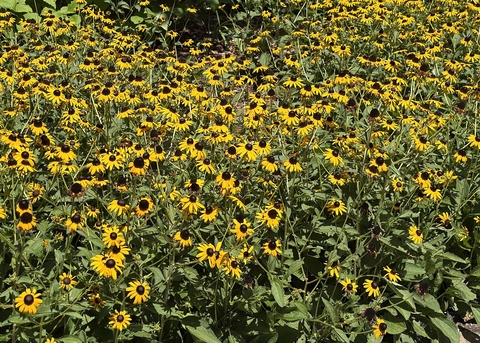
Goldsturm Black-Eyed Susan produces masses of brilliant golden-yellow flowers with dark centers that stand out in the landscape. (Photo by MSU Extension/Eddie Smith)
Contacts
-
 Extension Specialist I
- Extension Programmatic Support