News Type
Hollandale’s wildlife refuge is stunning butterfly garden
Published
Updated

Mountain mint’s clusters of flowers make it one of the best native perennials you can add to a pollinator garden. (Photo by MSU Extension/Eddie Smith)
Hummingbirds and Monarch butterflies are making their seasonal migrations through Mississippi, making September an exciting time in the garden. Thinking about these beautiful creatures is one way to take our minds off the still-oppressive heat.
This month, I’m taking you on a special journey through one of the Delta’s hidden treasures, the beautiful Yazoo National Wildlife Refuge Butterfly Garden in Hollandale.
Created by the Washington County Master Gardeners, this garden is a welcoming habitat for butterflies, bees, hummingbirds and countless other beneficial pollinators. Sharkey/Issaquena Master Gardeners also joined the effort, helping to maintain this special garden and keep it blooming and buzzing for visitors and wildlife alike.
The garden is not simply a collection of beautiful flowers. What makes this garden so fascinating is that every plant has been thoughtfully selected to provide nectar, food, shelter and other resources pollinators need throughout their life cycles.
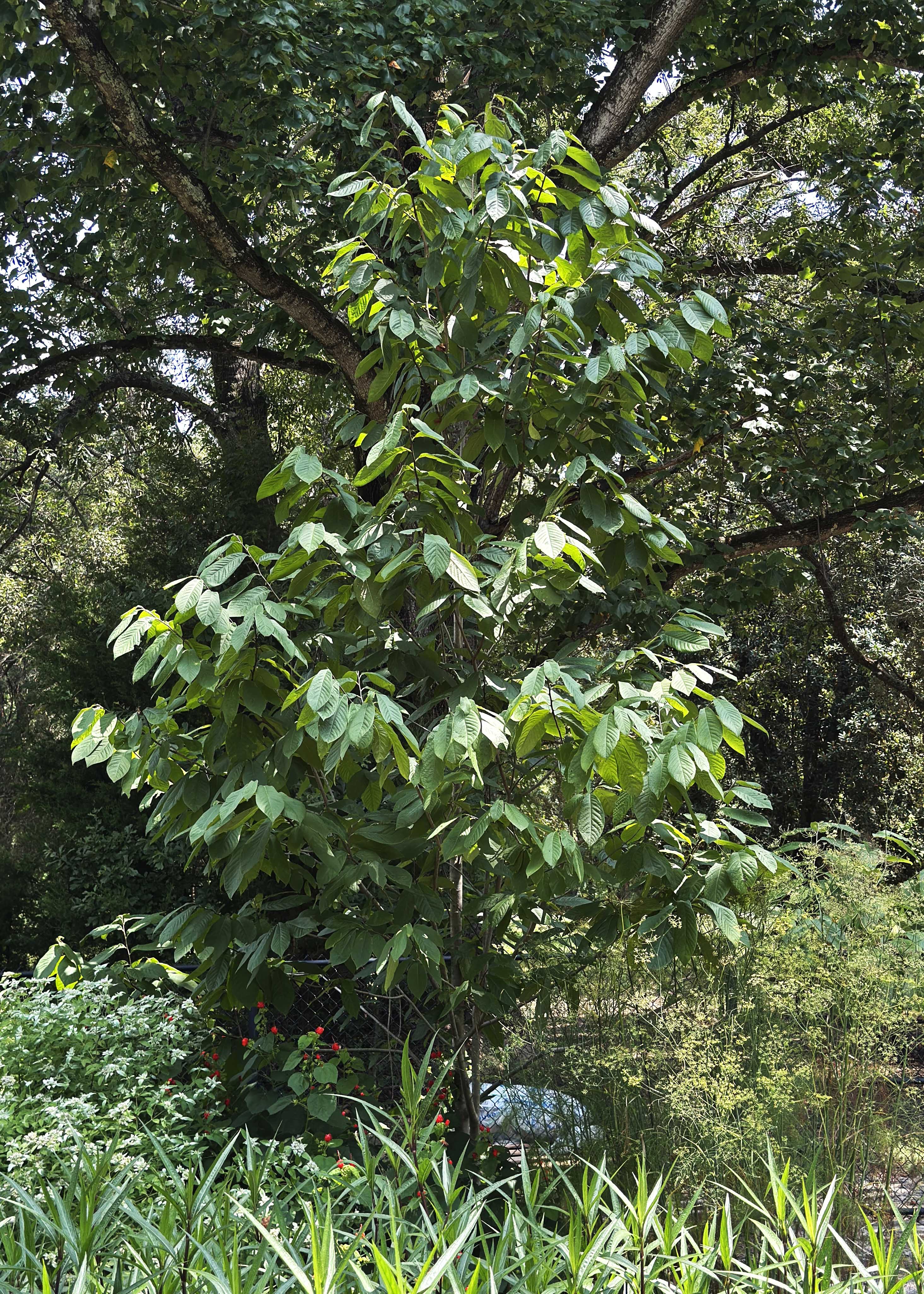
At the back of the garden is a native pawpaw tree.
Many people know the pawpaw for its unusual, tropical-tasting fruit, but gardeners recognize it for another important reason. Pawpaw is a host plant for the spectacular zebra swallowtail butterfly. The caterpillars feed on the leaves, making it an important part of the butterfly’s life cycle.
Pawpaw grows best in moist, well-drained soil and performs especially well in locations with partial shade to full sun. Young trees appreciate protection from intense afternoon heat, while established trees can tolerate more sunlight when adequate moisture is available.
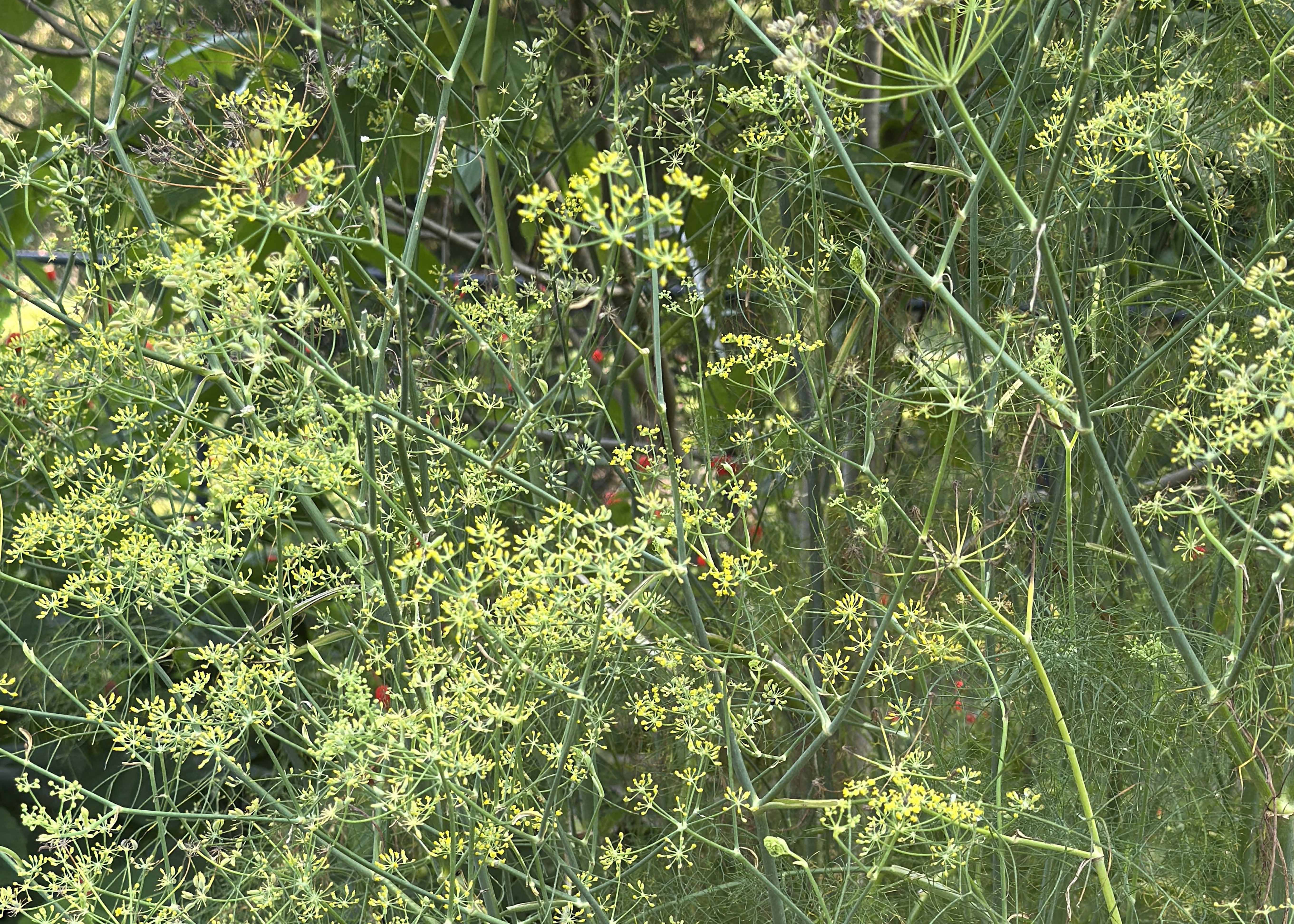
Nearby is a patch of fennel.
This familiar culinary herb is a favorite host plant for the Eastern black swallowtail butterfly. If you’ve ever grown fennel, you may have noticed caterpillars munching on its feathery foliage. Those hungry caterpillars are a sign that your garden is doing its job.
Fennel prefers full sun and performs best when it receives consistent moisture without remaining soggy. Once established, fennel can tolerate some dry conditions. It can become quite large, so give it room to develop.
Growing alongside these plants is mountain mint, one of the best native perennials you can add to a pollinator garden.
Their clusters of small white flowers are magnets for butterflies, native bees, beneficial wasps and a variety of other pollinating insects. On a sunny day, the blooms seem alive with activity, making mountain mint one of the hardest-working plants in this garden.
Mountain mint thrives in full sun and well-drained soil and is remarkably adaptable once established. It handles Mississippi’s summer heat and tolerates periods of dry weather, making it a dependable choice for low-maintenance landscapes.
Mountain mint spreads by underground stems, so give it enough room to expand or contain it in an area where its spreading habit won’t become a problem.
As we explore the plants growing in the Yazoo National Wildlife Refuge Butterfly Garden, we’ll look at what makes them special, which pollinators they support and how you can use these ideas to create your own pollinator-friendly garden.
Images
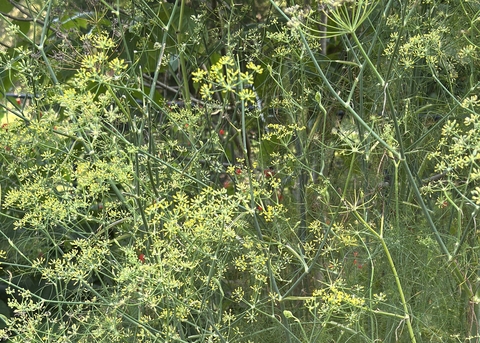
Fennel is a familiar culinary herb that is a favorite host for the Eastern black swallowtail butterfly. (Photo by MSU Extension/Eddie Smith)
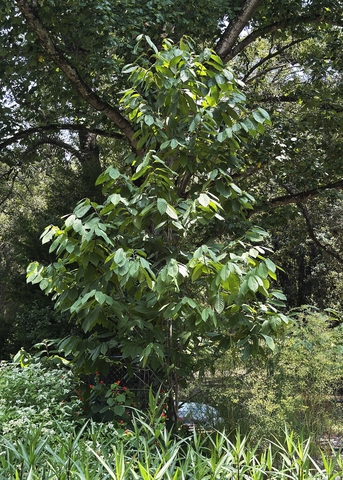
Caterpillars of the zebra swallowtail butterfly feed on the leaves of pawpaw trees. (Photo by MSU Extension/Eddie Smith)
Contacts
-
 Extension Specialist I
- Extension Programmatic Support