News Type
Crosby Arboretum shows arrival of spring to state
Published
Updated

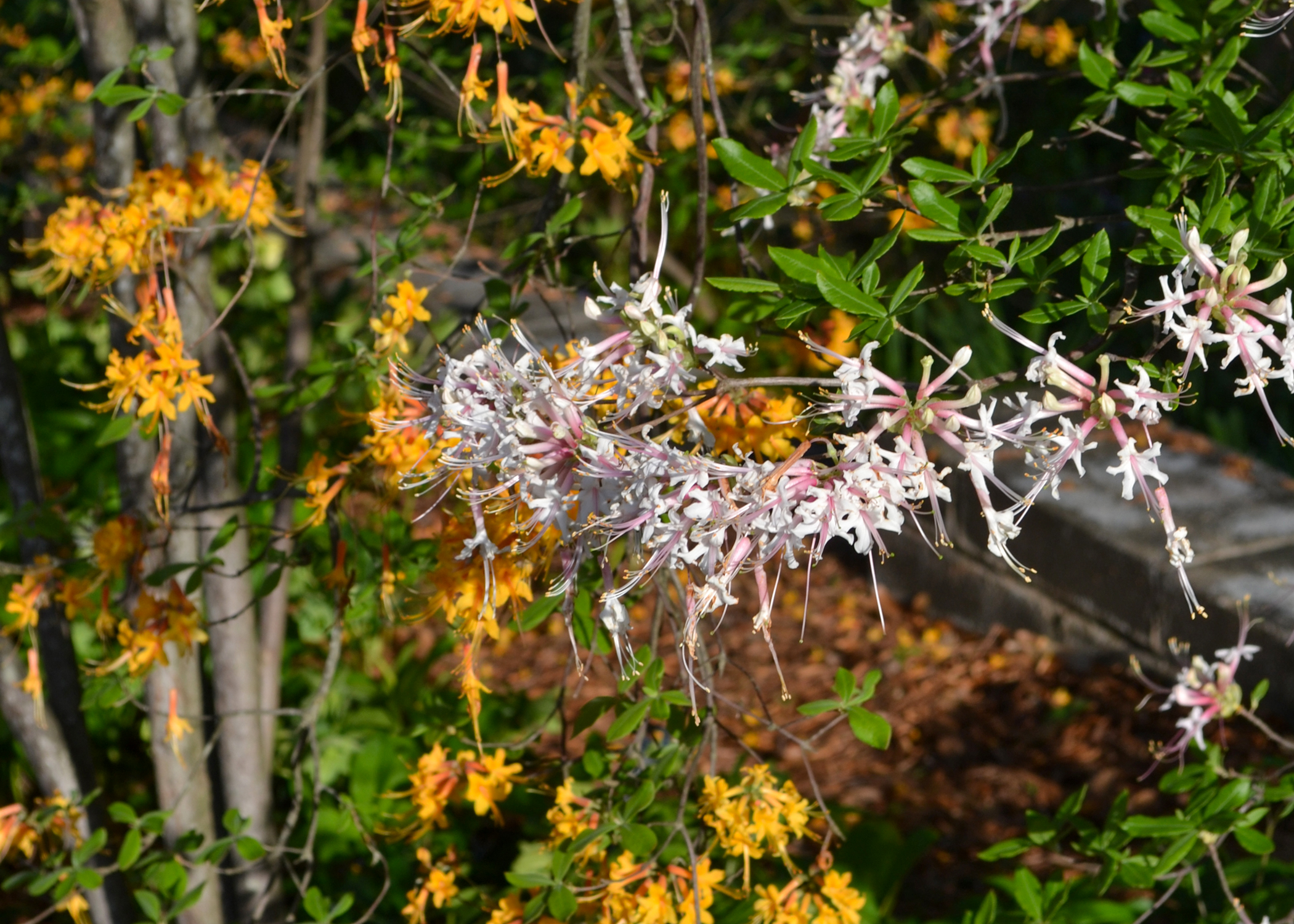
Native azaleas are one of the plants that really shine in the spring. (Photo by MSU Extension/Eddie Smith)
Spring is a sensory time of year, and one of the best places in the state to enjoy the native landscape is the Mississippi State University Crosby Arboretum in Picayune.
One of the plants that really shine in the spring are the native azaleas.
Visitors walking through the arboretum can see azaleas lighting up the woodland understory, with their fragrance drifting through the air. Native plants thrive when grown in conditions that mirror their natural habitat.
Native azaleas are some of the most underappreciated spring-blooming shrubs in Southern landscapes. They offer a beauty and grace that is hard to match.
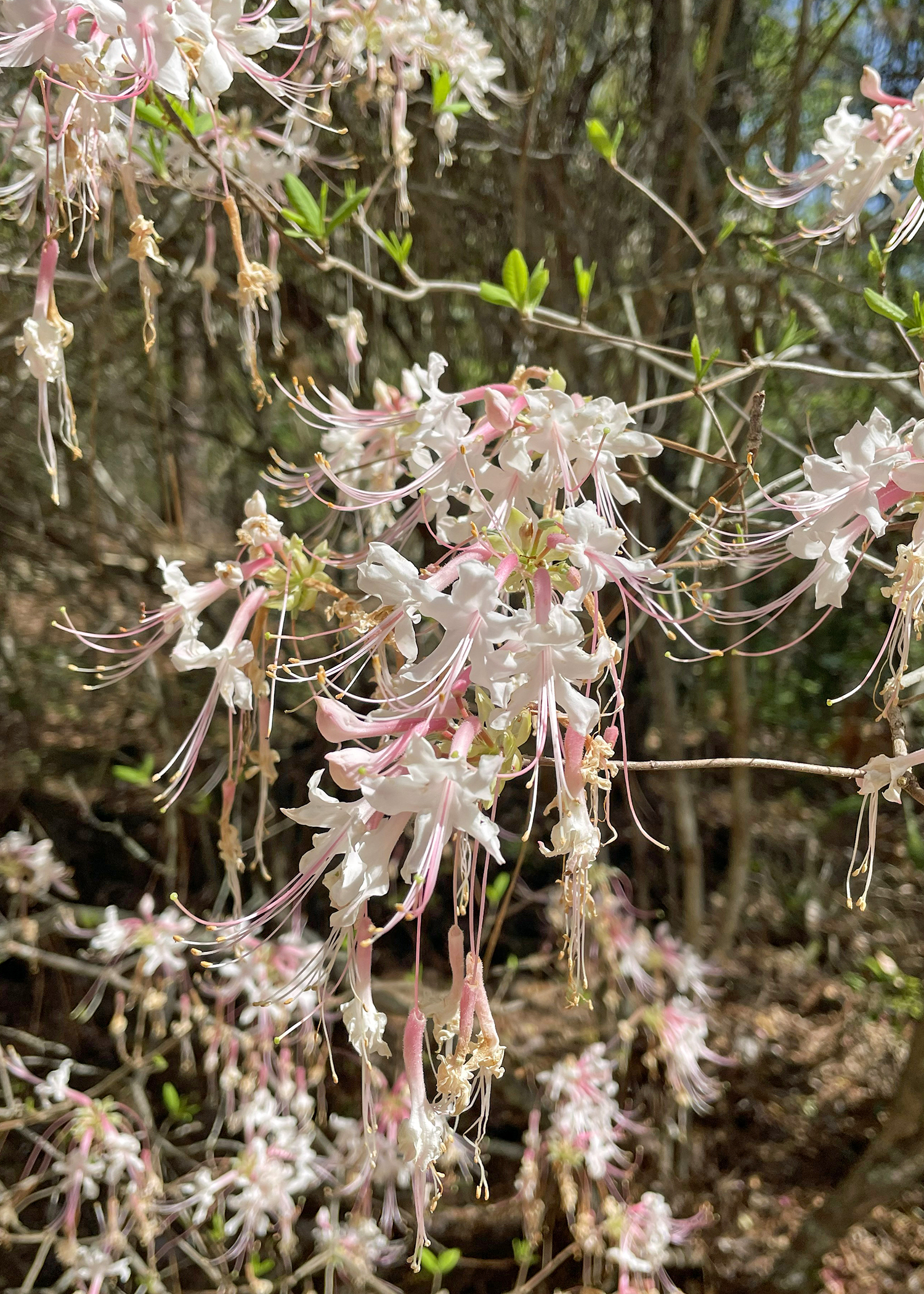
Unlike the evergreen azaleas commonly found around homes, native azaleas are deciduous, losing their leaves in winter and often blooming just as spring begins to stir. Their flowers appear on bare or lightly leafed branches, creating a soft, airy effect in natural settings.
Flower colors range from delicate white and pink to bold yellows, oranges and reds. Many native azaleas are delightfully fragrant, which is a surprise to gardeners who assume all azaleas are scentless.
Although native azaleas perform well across their natural range in the southeast, that does not mean they can be planted just anywhere. They prefer filtered shade or dappled sunlight, lighting that is similar to the edges of forests or open woodlands.
Like all azaleas, they must have well-drained, acidic and organic-rich soil.
In areas with heavy clay or poor drainage, it is essential to plant your native azaleas on raised beds or slight mounds to keep roots healthy. A generous layer of pine straw or leaf mulch helps conserve moisture and moderate soil temperature. This layer recreates the forest floor conditions these plants naturally enjoy.
Beyond their beauty, native azaleas play an important role in supporting wildlife.
Their early spring blooms provide nectar for bees, butterflies and hummingbirds at a time when few other plants are flowering. As natives, they fit naturally into the local ecosystem and contribute to the biodiversity without becoming invasive.
Many native azaleas have the added bonus of developing attractive fall color. Their leaves turn shades of yellow, orange or red before dropping for winter.
Once established in the landscape, native azaleas are relatively low-maintenance and long-lived. They require little pruning other than the occasional removal of dead or damaged branches. Any shaping you want to do should be done right after flowering.
Unlike evergreen azaleas that are often sheared into tight hedges, native azaleas are best appreciated when they are allowed to grow in their natural form.
The Crosby Arboretum has another advantage for those who like native azaleas and other plants found in the southeast. They host plant sales throughout the year, allowing gardeners to take a bit of that natural beauty home.
Planting native azaleas allows gardeners to not only add spring color to their landscapes but also to celebrate this Southern staple.
Images
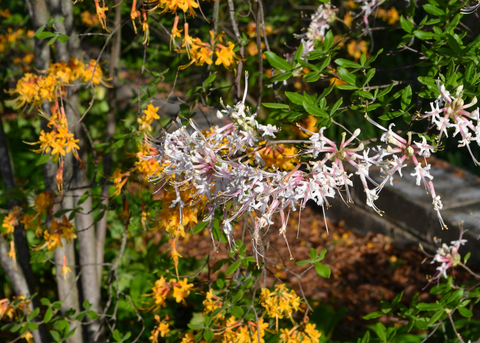
Many native azaleas are delightfully fragrant, which is a surprise to gardeners who assume all azaleas are scentless. (Photo by MSU Extension/Eddie Smith)
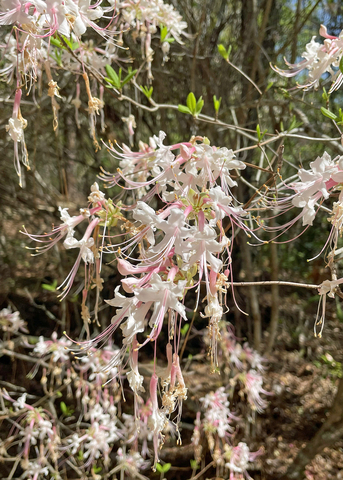
Native plants thrive when they are grown in conditions that mirror their natural habitat. These native azaleas offer a beauty that is hard to match. (Photo by MSU Extension/Eddie Smith)
Contacts
-
 Extension Specialist I
- Extension Programmatic Support