News Type
Annuals have place in pollinator gardens
Published
Updated

The blooms of Monarch Magic Flossflower are held above the plant, making them easy for pollinators to find. (Photo by MSU Extension/Eddie Smith)
As we continue touring the Yazoo National Wildlife Refuge Butterfly Garden in Hollandale, our next stop examines three annual flowers that prove perennials are not the only choices for pollinator-friendly landscapes.
This hidden treasure in the Delta was created by the Washington County Master Gardeners with help from the Sharkey/Issaquena Master Gardeners. They have combined annuals and perennials in this space to attract and support butterflies, bees and other pollinators.
Annuals can provide an abundance of colorful blooms throughout the growing season.
The first I want to draw your attention to is Monarch Magic Flossflower. As the name suggests, this annual draws in butterflies.
It produces clusters of soft, fluffy blooms that create a delicate, cloud-like appearance in the landscape. The flowers range from soft lavender to bluish-purple, and blooms are held above the plant on thin stems, making them easy for pollinators to find.
For best performance, plant Monarch Magic Flossflower in a location that receives full sun. It prefers fertile, well-drained soil and benefits from regular watering, particularly during periods of hot, dry weather.
Encourage continued flowering by removing faded clusters when needed. With good growing conditions, Monarch Magic Flossflower can provide plenty of blooms throughout the season.
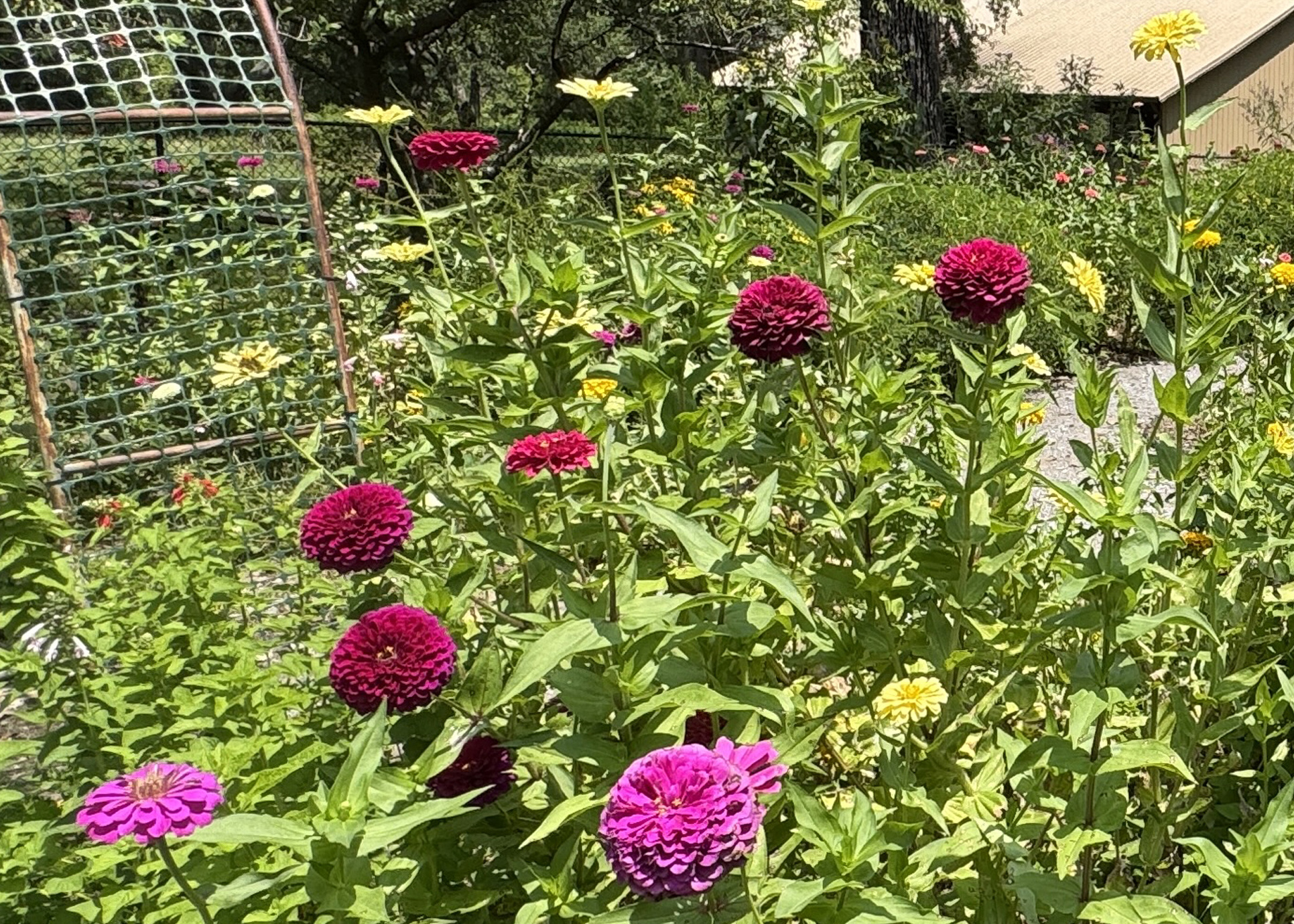
Next, we have one of my all-time favorites for a pollinator garden: zinnias.
Zinnias are hard to beat when it comes to providing color and pollinator activity. Colors range from red, orange and yellow to pink, purple and white. Varieties come in single, semi-double and double flowers.
Varieties with open flower centers are easier for bees and butterflies to reach the nectar and pollen. Double-flowered zinnias are beautiful, but the additional petals can make the flowers more difficult for some pollinators to access.
Zinnias are among the easiest annuals to grow.
Give them a location with full sun and well-drained soil, and water deeply when the soil begins to dry during hot Mississippi summers. Avoid overhead watering when possible. Good air circulation is important because crowded foliage that stays damp can encourage disease problems.
One of the great things about zinnias is that the more you cut, the more they tend to bloom. You can harvest flowers regularly for arrangements while leaving plenty behind for the pollinators. Remove spent flowers to keep the garden looking fresh.
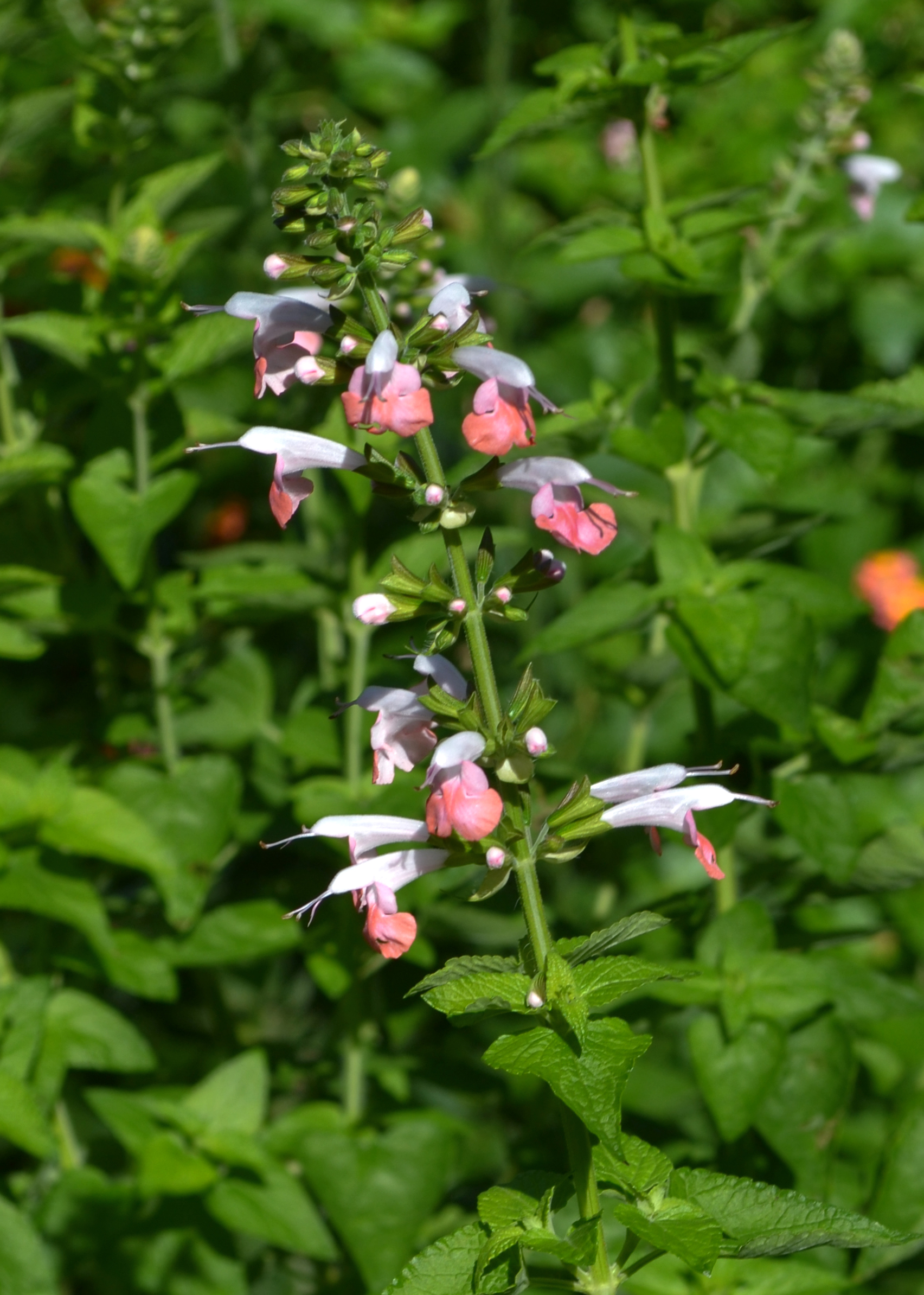
The last annual of today’s tour is the Coral Nymph salvia.
This plant brings a completely different flower form and color to the garden. Coral Nymph produces beautiful coral-and-white bicolored flowers held along upright flower spikes that are particularly attractive to pollinators.
The color combination makes the flowers stand out, while the upright flower spikes add another dimension to the garden. It is a great example of how choosing plants with different shapes and colors can make a pollinator garden both attractive and functional.
Coral Nymph salvia performs best in full sun and well-drained soil. Allow the soil to dry slightly between waterings, not letting it stay soggy. Remove faded flower spikes to encourage additional blooms and keep the plants tidy.
Try these annuals in your own garden to see how valuable they can be to pollinators. Their abundant nectar and pollen create a landscape that is alive with activity.
Images
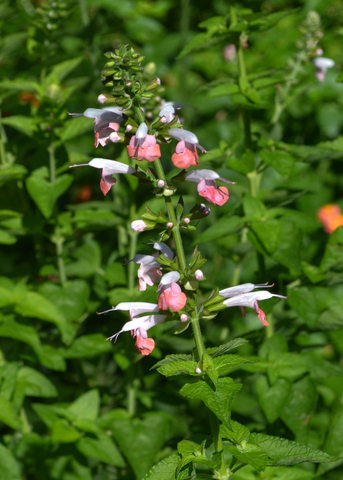
The upright spikes of Coral Nymph salvia bring a completely different flower form and color to the pollinator garden. (Photo by MSU Extension/Eddie Smith)
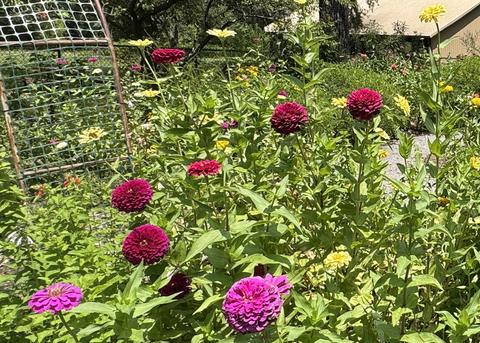
Zinnias are easy to grow and hard to beat when it comes to providing color and pollinator activity. (Photo by MSU Extension/Eddie Smith)
Contacts
-
 Extension Specialist I
- Extension Programmatic Support