News Type
State’s blueberry crop hurt by March freeze
Published
Updated

Mississippi blueberry growers are moving toward the fresh market rather than the frozen market because prices are better. These berries were growing at Foster Family Farm in Winston County on April 2, 2026. (Photo by MSU Extension Service/Michaela Parker)
STARKVILLE, Miss. -- Already struggling with fewer acres in the state, the blueberry industry absorbed a smaller setback with an untimely freeze in mid-March.
Jeremy Edwards, a blueberry grower and owner of Great Southern Farms in Richton, said his 160 acres of blueberries in Perry County lost maybe as much as 20% of the fruit on his Southern highbush shrubs.
“All the rabbiteyes were fine, but now we have to worry about botrytis and spray for that fungus,” Edwards said. “When new leaves get bit by the cold, that’s a weak point for the plant and it allows the fungus to enter.”
This winter’s cold weather that hit single digits in many places had no effect on dormant blueberry bushes.
Edwards expects to have an average production year, with blueberry harvest beginning in late April and finishing around the Fourth of July. Edwards sells all his fruit -- about a million pounds -- to the fresh market, and packs and sells for a few other smaller-scale growers.
Elizabeth Canales Medina, an agricultural economist with the Mississippi State University Extension Service, said although more people have started growing blueberries in Mississippi, overall blueberry acres and production are down.
According to the Census of Agriculture, there were 493 blueberry farms in the state in 2022, but total acreage declined from 1,924 acres in 2017 to 1,188 acres in 2022.
“While there would seem to be slightly more farms growing blueberries, the data would indicate that commercial-scale production has declined significantly,” Canales said. “The majority are not producing at large commercial scale, and they are likely operating in local direct-to-consumer markets.”
Joeann Foster owns Foster Family Farm in Winston County with her husband, Stephen. It is a family hobby farm that sells in June at the Starkville Community Market, through local online groups and as a U-pick operation. The Fosters have 90 bushes in three different varieties that they planted in 2013.
The family watered the bushes when they were first established, but now they grow without irrigation. Disease and insect pressure have so far been light, but the March freeze seems to have hurt their crop.
“Our bushes were buzzing with bees on the white, open blooms, but then the freeze came,” Foster said. “It was beautiful then, but I don’t have any blooms on them now.”
A late freeze a few years ago damaged the crop, too. Foster said the family pivoted that year and only sold what they picked themselves at the local farmers market, not opening the farm to consumers to pick their own fruit.
“This year, we’re just waiting to see. I know it didn’t kill all of them, but I know we won’t have the crop we did last year,” she said.
It is difficult to enter the commercial blueberry industry because of the expense of establishing a blueberry field, food safety regulations that must be met for commercial sale and the high cost of labor and harvesting equipment. Due to these costs, Mississippi blueberry operations remain small except for a few large operations.
Canales said many commercial blueberry operations are trying to mechanize harvest, but quality for the fresh market could be an issue.
“If the fruit is grown for the frozen market, this is less of an issue, but damage from mechanical harvesting can be more consequential for the fresh market,” Canales said. “Many commercial operations in Mississippi produce for the frozen market.
“The industry continues to work on developing cultivars suitable for mechanical harvesting, but I am not sure there is a solution where mechanical harvest works really well for the fresh market without some loss or impact on quality and shelf life,” she said.
Blueberry prices fluctuate based on when the fruit enters the market, with the first fresh blueberries available nationally demanding a premium price. Canales said she expects prices to be considerably higher than in previous years, especially early in the season.
“Florida suffered significant losses earlier this year due to a freeze, with many producers experiencing considerable crop losses,” she said. “I would expect the freeze to have at least a short-term impact on supply this year, resulting in higher prices for consumers and benefiting producers who are able to supply early in the season before production from other regions enters the market.”
Eric Stafne, Extension fruit specialist, said Mississippi blueberry growers are moving toward the fresh market because prices are better.
“The labor required for fresh market is inhibitory for small growers, so scale is reduced,” Stafne said. “Some fruit is being mechanically harvested for fresh markets despite the potential for lower quality, which depends on cultivar.”
Images
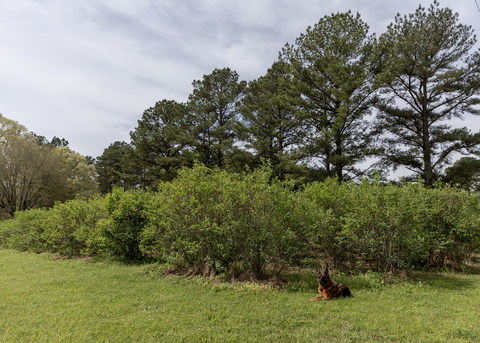
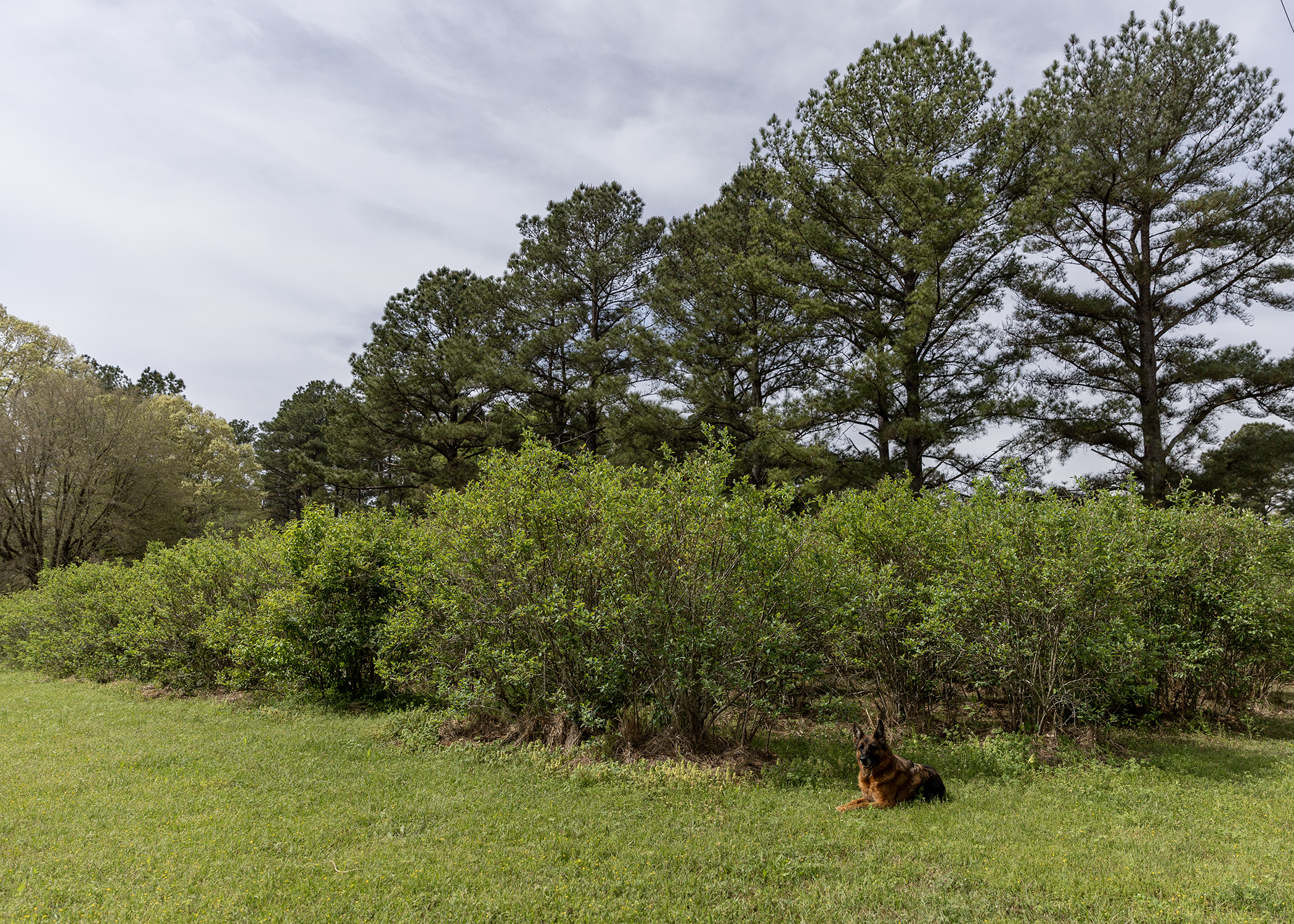
More people have started growing blueberries in Mississippi, but overall blueberry acres and production are down. These bushes are part of Foster Family Farm in Winston County, photographed April 2, 2026. (Photo by MSU Extension Service/Michaela Parker)
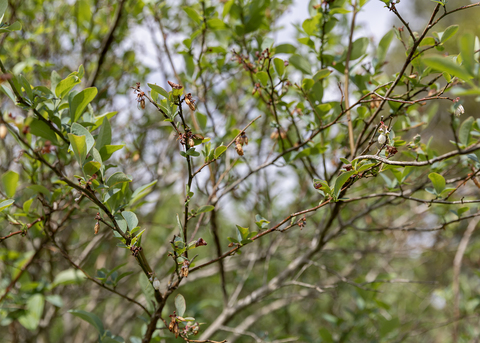
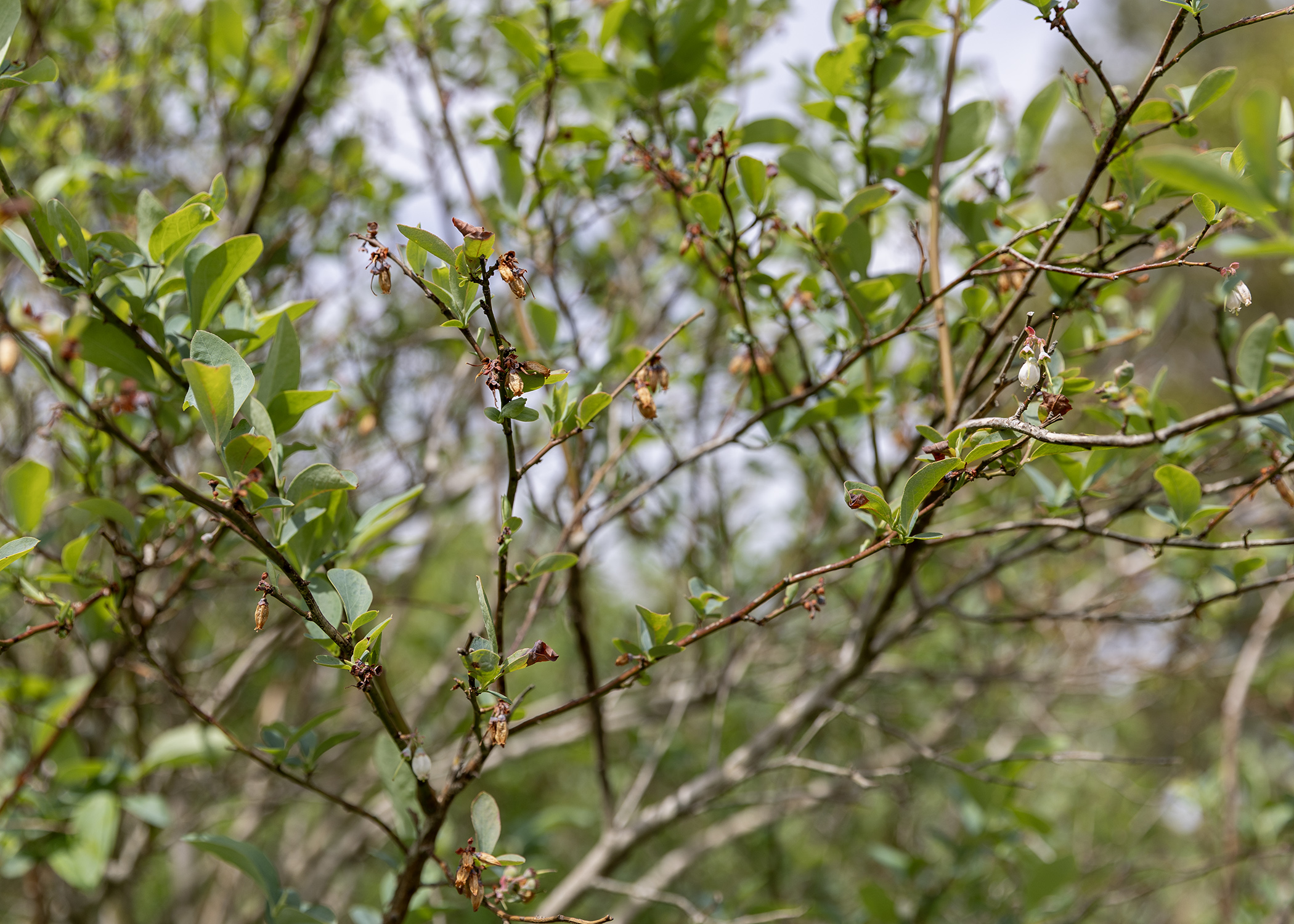
Temperatures across much of the state dropped below freezing in mid-March, causing some damage and losses to Mississippi’s blueberry crop. These berries were growing at Foster Family Farm in Winston County on April 2, 2026. (Photo by MSU Extension Service/Michaela Parker)
Contacts
-
 Associate Professor
- Agricultural Economics
-
 Extension/Research Professor
- CREC-Coastal Research & Ext Center