News Type
Quality of state’s peanut crop varies by location
Published
Updated

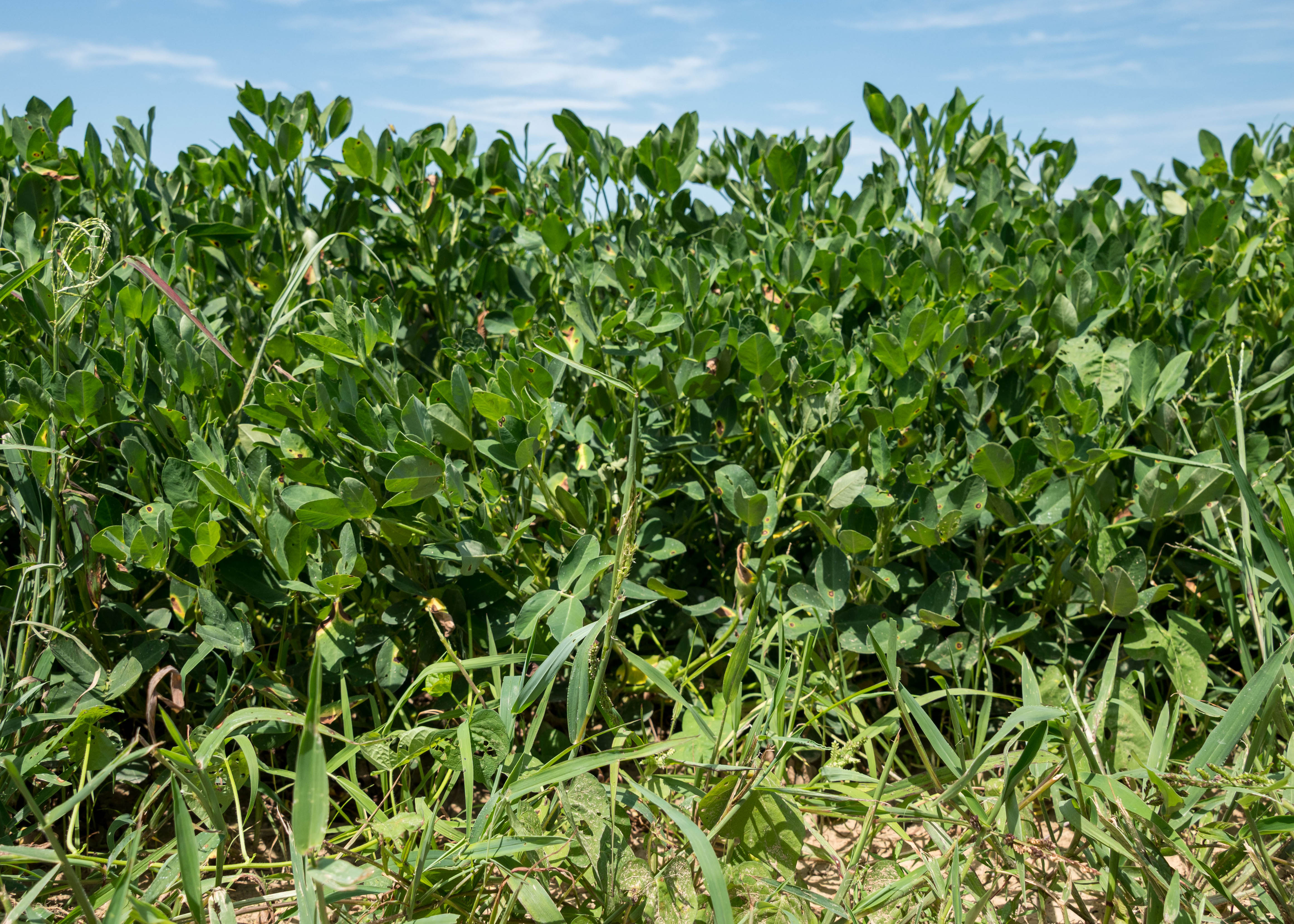
Mississippi’s peanut crop was down to 12,000 acres, the lowest it has been since the mid-2000s. (Photo by MSU Extension Service/Kevin Hudson)
STARKVILLE, Miss. -- How Mississippi’s peanut crop fared this year depended mostly on location, with drastically different growing conditions from the north to the southeast part of the state.
George and Monroe counties are the state’s top producing counties, and there are also multiple growers in the Hattiesburg area and then north along the Highway 82 corridor.
Brendan Zurweller, peanut specialist with the Mississippi State University Extension Service, said reported acres is around 12,000, the lowest since the mid-2000s.
“The low acreage is the result of low prices, a large amount of rainfall in May that prevented some acres from being planted and one of our buying points didn’t offer contracts this year,” Zurweller said. “Some growers did not want to risk planting a crop and not have anywhere to sell it in the fall.”
Some peanuts were planted very early this year starting the second week of April. Most of this acreage was along the Highway 82 corridor. Fields there were dry and warm enough for planting.
“Because it was drier, they got good stands on the early planted peanuts,” he said. “Rain was moderate and a cold snap came through in early May. Rain was in excess the second half of May.”
Some peanuts planted in mid- to late May received too much rainfall after planting. Stands suffered while the rain prevented other acres from being planted. Large amounts of rainfall after planting can also cause increased herbicide injury.
“It was a tough way to start the year,” Zurweller said.
Because peanut planting was stretched from early April to early June for replanted acres, harvest will also proceed at different times.
“We will likely start harvesting peanuts planted in mid- to late April in the first half of September,” Zurweller said.
He said growers need high yield this year to make a profit with the low initial contract price and high input cost.
Lonnie Fortner, who owns Bayou Pierre Farms in Claiborne and Warren counties with his wife, Karen, farms 400 acres of peanuts in southwest Mississippi. He said his crop has had a rough time the entire growing season.
“We had way too much rain through July 15, then it quit raining until the end of August,” Fortner said. “We went from an extremely wet environment to extremely hot and dry environment.”
Fortner still is not sure how the crop will turn out but knows it won’t be a bumper crop. He is hoping for a 2-ton-per-acre crop.
“With agriculture right now, you can’t afford to be average,” he said. “You have to make the best crop every year to survive.”
In addition to the lack of rain, Fortner said he had to spray for worms in peanuts, the first time he has done that in years.
Peanuts are ready for harvest about 140 days after planting. This year, harvest on the early crop began Sept. 14 after the weekend rain. It will be October before the later planted peanuts are ready to dig up.
Each year, MSU runs peanut variety trials to test the performance of varieties under different growing conditions. This year, researchers also ran about 30 trials at the Mississippi Agricultural and Forestry Experiment Station R.R. Foil Plant Science Research Center in Starkville to test seed rates, crop protection, soil and foliar fertility and harvest time.
Images
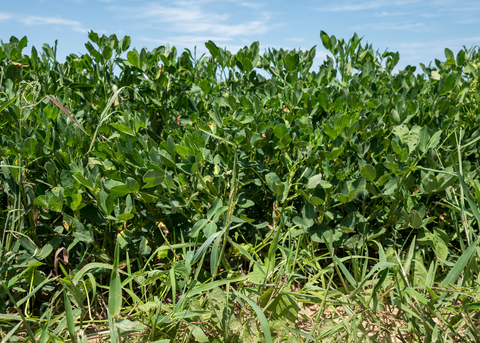
Rains stretched Mississippi peanut planting from early April to early June, so harvest, which began the second week of September, will also be stretched. (Photo by MSU Extension Service/Kevin Hudson)
Contacts
-
 Associate Professor
- Plant and Soil Sciences