Extension Matters
Volume 12 Number 2
One Out of 10,000
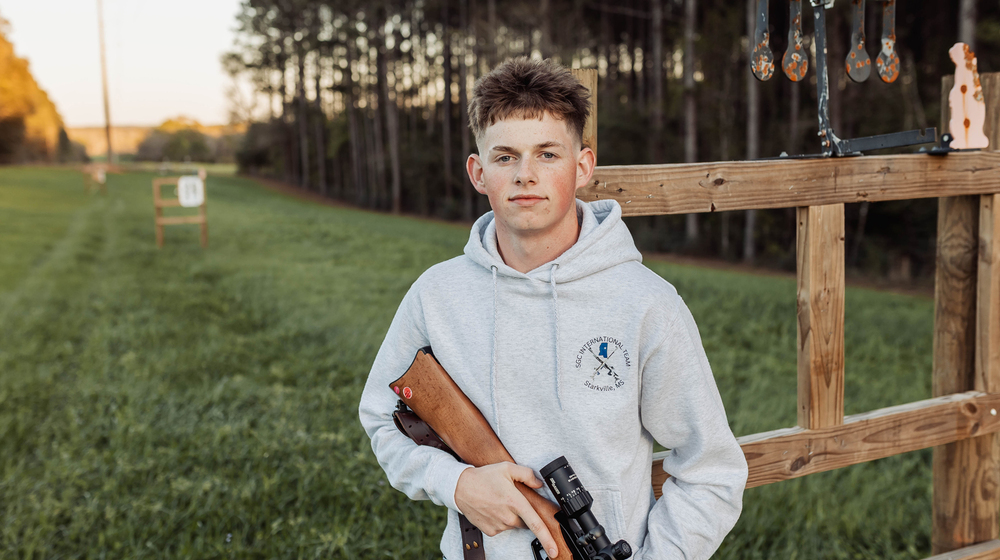
G.R. Lowery, George County 4-H’er | Photo by Bethany Lightsey Photography
Natural talent, dedication takes 4-H’er to the top
Story by Susan Collins-Smith | Photos by Bethany Lightsey Photography and submitted
G.R. Lowery grew up hunting on the farm his parents own.
But when he joined the 4-H Shooting Sports team in March 2024, he gained a different appreciation for a sport he and others would quickly learn he was born to do.
“I’ve been shooting since I was little,” says G.R., who is 17. “I hunt all winter—deer and squirrels.”
For G.R., who has been enrolled in homeschool since third grade, the 4-H Shooting Sports Program is a way to participate in an extracurricular activity with other people his age. Part of the youth development program of the Mississippi State University Extension Service, 4-H Shooting Sports teaches sportsmanship, safety, self-discipline, and sound decision-making.
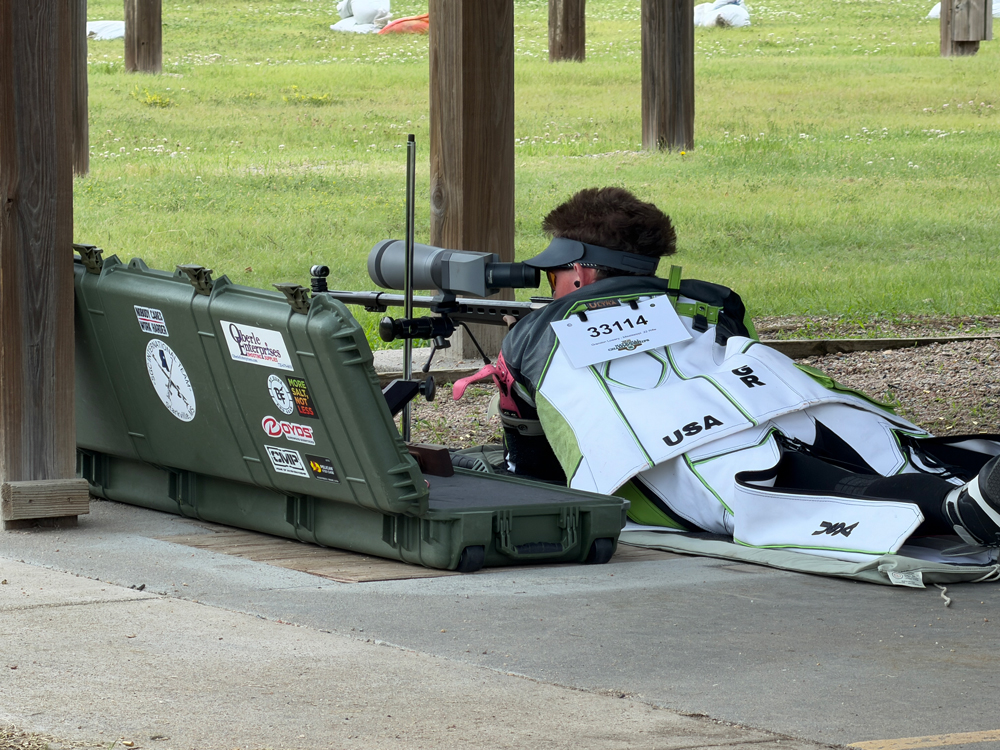
“I wanted to try competition shooting to see what it was like,” relates G.R., who participates in 4-H’s air rifle and shotgun disciplines. “I had fun and really enjoyed it. Some of it was the competition part of it, but I also enjoyed shooting with other people who are interested in the same thing I am. I’ve made friends doing this.”
That first summer, G.R. placed third in the 4-H state competition for air rifle.
“The girl who got first place had just been to nationals, so she couldn’t go again, and G.R. got bumped up to go to the national competition,” says G.R.’s mom Kayla. “But he turned that invitation down so he could practice more and represent Mississippi better.”
Ever since, it’s been a whirlwind, she says.
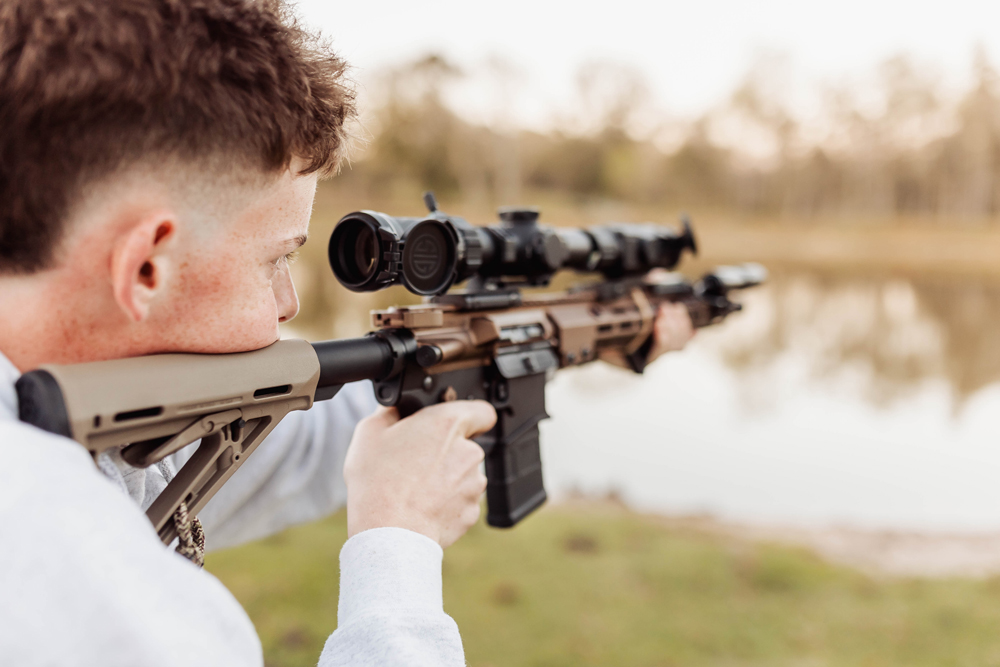
“We didn’t realize shooting sports was so big. This has opened up a whole new world for us. We went to eight competitions in 2025, competing in both air rifle and shotgun.”
G.R. has won all levels of shotgun in 4-H. In 2025, he placed first again in the state 4-H competition, winning by over 200 points. That again earned him a spot at the 4-H Shooting Sports National Championships in Nebraska in June, where he placed sixth overall—a huge accomplishment for someone so new to competition.
Last year, after placing first in the state 4-H competition, he began looking for more opportunities to compete at a professional level to gain more experience. He got involved in competitions outside 4-H, including the USA Shooting Junior Olympics, where he placed first in the state competition. That earned him an invite to compete at the National Junior Olympic Championships in 2027.
“The first time we competed in the Olympics, he had a borrowed rifle and a borrowed suit. Some of the other competitors were members of the U.S. Army rifle team. Several of them are Olympic medalists. But we didn’t come in last, so that was good,” Kayla remembers.
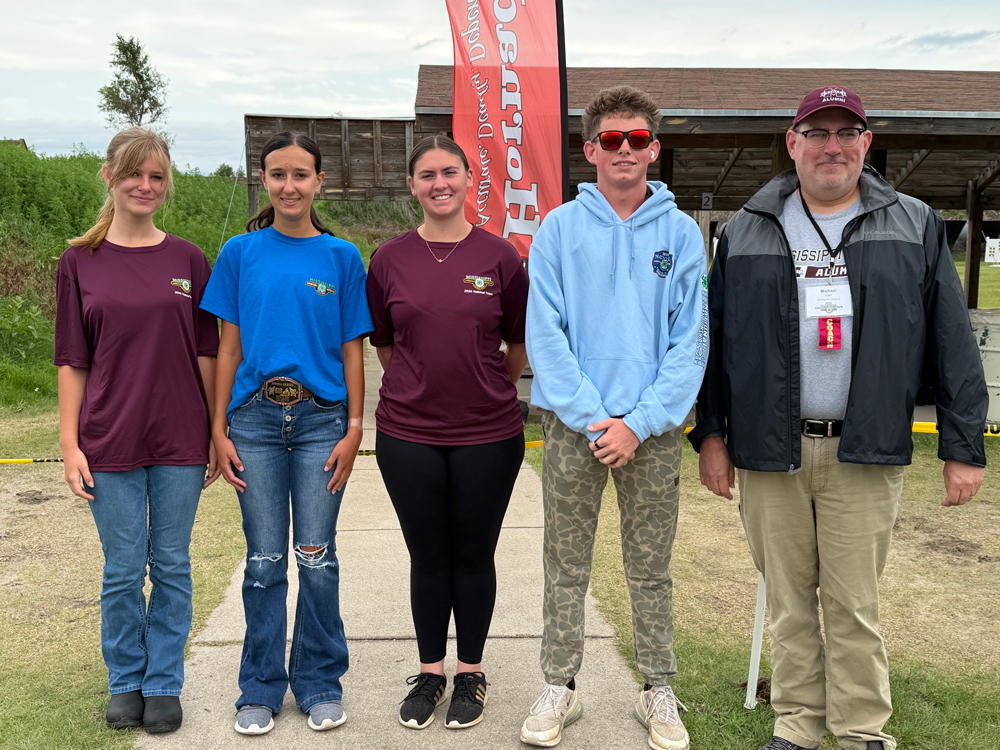
His success and ability to compete with some of the best in the field doesn’t surprise Ben Hare, who is G.R.’s 4-H volunteer shooting sports coach in George County. He knew G.R. had a natural talent at the very beginning.
“G.R. is one of those one out of 10,000 who can go pro,” Hare says. “I saw the look in his eye at practice when he hit the target. He knew this was something he could do and he could master it. He never got nervous. He got competitive.
“He takes it seriously. It’s like kids who play sports. You have kids who take it seriously, but they also have a natural talent for it. It’s the same in shooting sports. Lots of kids take it seriously, but only a few have a natural gift. G.R. has that gift.”
Hare points out his accomplishment of ranking among the top six 4-H competitors in the U.S.
“That’s like going to the Super Bowl,” Hare says.
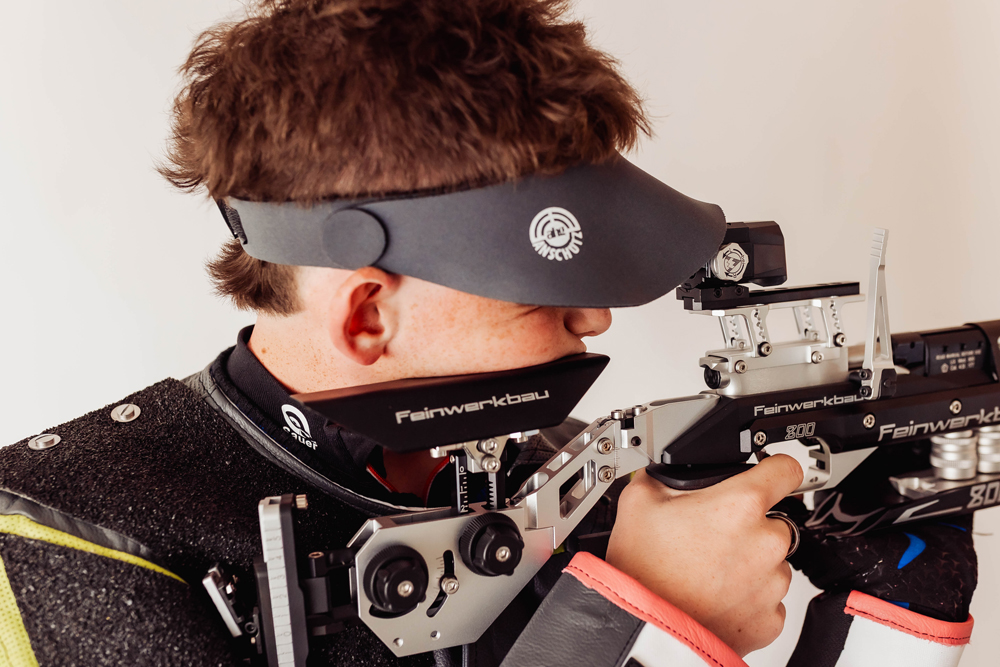
Within the first year of practices, Hare knew G.R. could excel further with the right coaching and encouraged his parents to enroll him at the Starkville Gun Club to work with the coaches there. The Starkville Gun Club is one of only two facilities in the state that offers practices with coaches every week 12 months of the year.
“I’d taught him everything I could—all of the basics: positions, breath control, trigger control,” Hare explains. “I can get any kid to district and state competitions, but once you get to nationals that’s a different kind of training. It’s like a peewee football coach trying to coach an NFL team. It’s a different category.”
At state 4-H competitions, there are two courses of fire: The NRA Three-Position match requires competitors to shoot slow precision fire at 50 yards kneeling, standing, and lying on their bellies. In the CMP Three-Position match, competitors shoot larger targets sitting, standing, and lying on their bellies at 25 to 50 yards. Half their shots must be rapid fire.
A third course of fire is added at national 4-H competitions. Silhouette requires competitors to use an unsupported standing stance while shooting metal targets in the shape of chickens, turkeys, pigs, etc., at 40 to 100 yards.
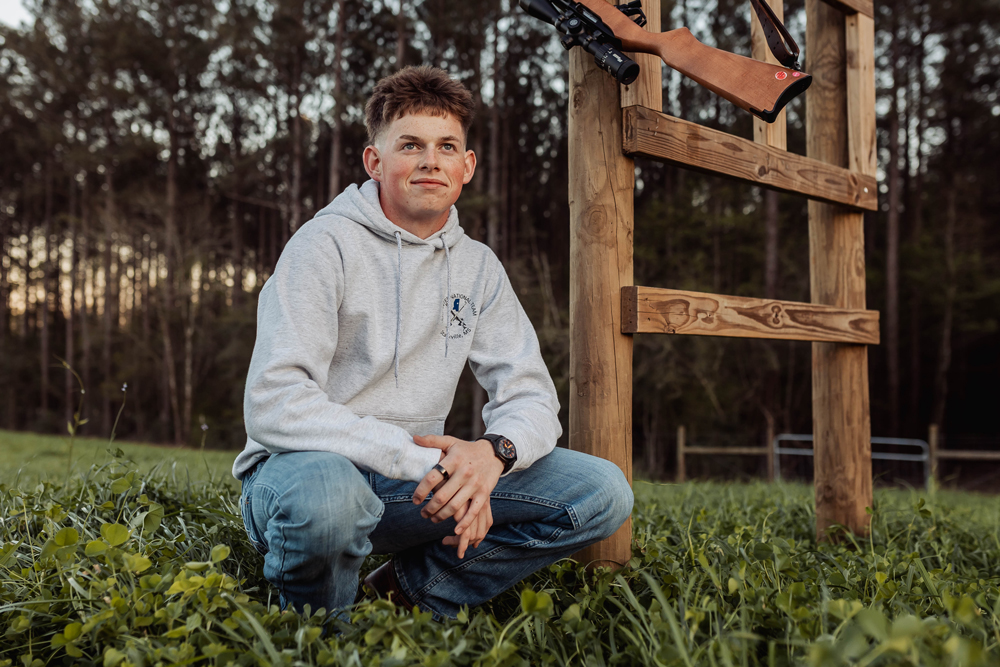
At the Starkville Gun Club, G.R. works with Jimmy Cole, who is a former 4-H Shooting Sports coach, and Michael East, who also coaches 4-H Shooting Sports in Clay County.
All of G.R.’s coaches describe him as quiet, polite, and thoughtful. And on the firing line, he’s disciplined with a calm, focused demeanor—everything one needs to be a successful competitive shooter.
“He’s very methodical with every shot,” East says. “That’s what you need. You have to follow that same process every time. Not everyone can do that.”
East explains the process for rifle competition: The competitor must be as still as possible and keep their mind as quiet as possible. Then, they must follow the shot process—visualizing, breathing, loading the rifle, and aiming. Once they take the shot, they must remain still for a few more seconds to avoid altering the bullet’s path.
Cole says 4-H is a great organization that helps kids in shooting sports learn to set goals and concentrate.
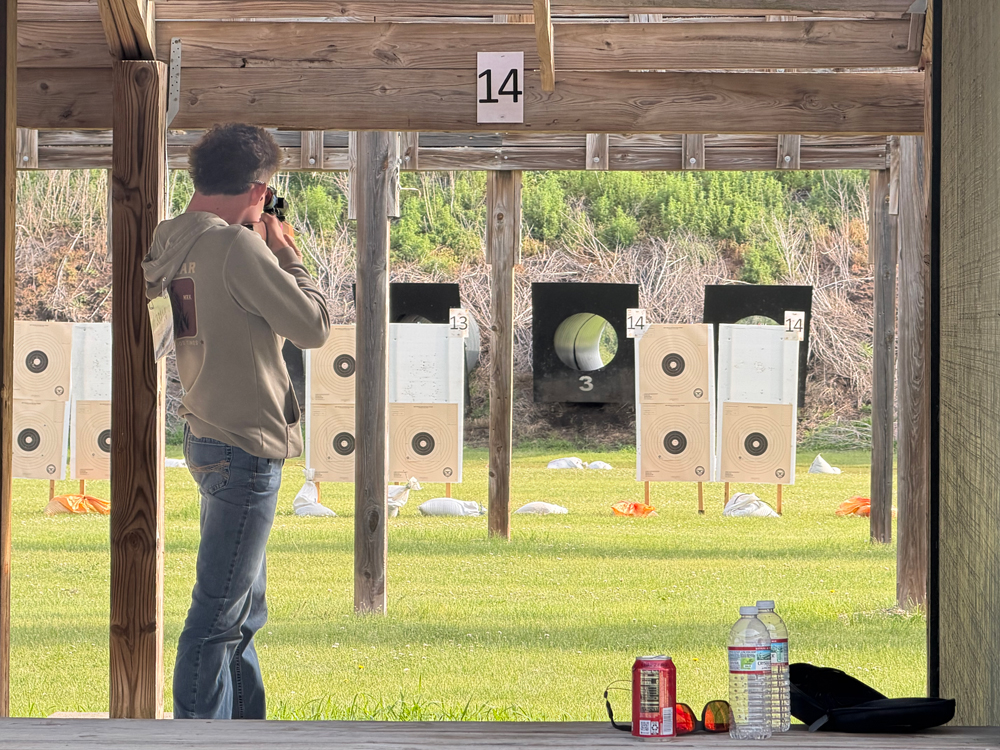
Shooting sports requires commitment beyond the hours of practicing to hit the target. Competitive shooters must be able to physically and mentally hold out to be competitive shooters.
“You can’t lose your temper, and you can’t lose your concentration. On the firing line, you are concentrating for 3 to 4 hours at a time. You also have to develop the muscles to be able to remain steady and control your firearm,” Cole points out. “You have to be fit. Serious shooters don’t drink Cokes and eat candy bars.”
All of his practice and experience helped him during the 4-H national competition.
“He had to shoot in high winds and cold rain with no cover at nationals. It was pretty bad,” Cole shares. “When they are able to concentrate through all the things going wrong, you’ll see them get even better.”
Cole says G.R. has grown a lot since starting at the Starkville Gun Club and much of his success is because of the commitment his parents have made to allow him to grow in the sport.
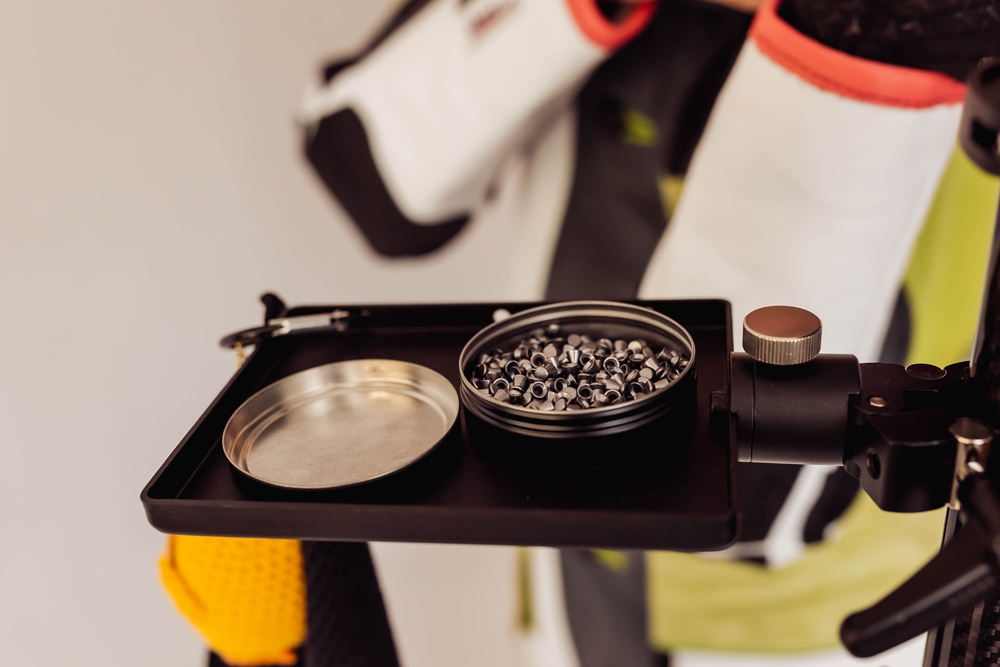
“His biggest improvement since he’s been working with us is learning to shoot one shot at a time,” Cole says. “You can’t think about 10 shots from now. You’ve got to hold that concentration.
“He’s done really well, and a lot of that is because of his parents. They drive 219 miles one way to practice here. His parents will do anything to help him get to that level to be really competitive.”
G.R. devotes over an hour a day three days a week to practice at home. When practicing in Starkville, his practice time increases to about 20 hours a week; he practices on his own the day he arrives and then with his coach. He returns early the next morning to fit in more practice at the facility before heading back home.
And still he says he has been surprised by his own accomplishments.
“I worked a ton. I practice here at home and in Starkville. But I was surprised,” G.R. says.
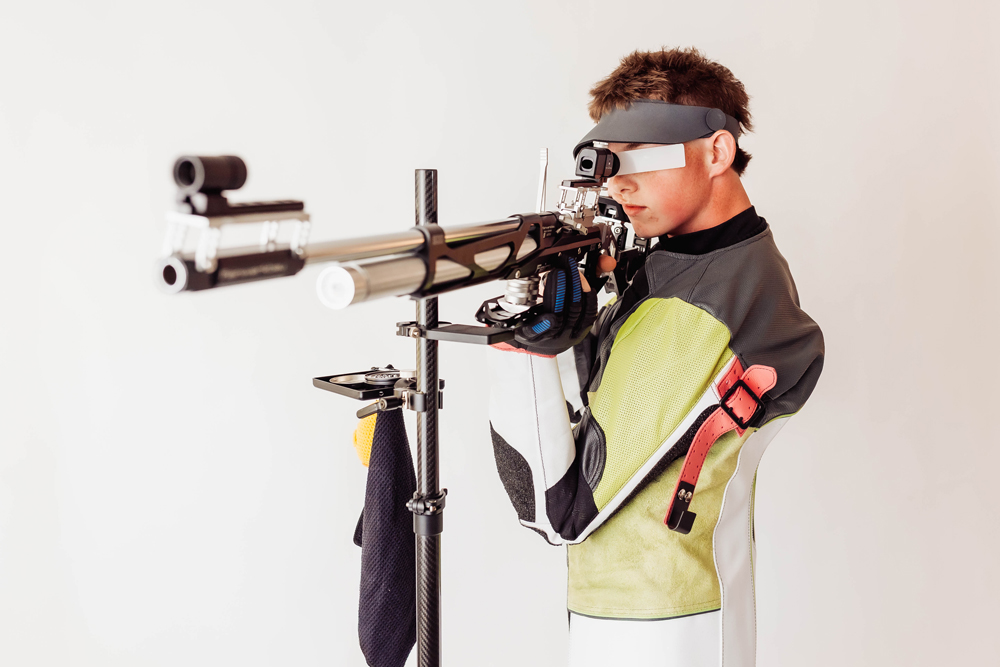
The motivation to practice is all G.R.’s, East says.
“He is very motivated to keep learning and improving. He practices a lot. He’s always shooting whether we’re there or not. No amount of coaching can motivate someone. Getting better is something he wants,” East says.
G.R. says his motivation is the enjoyment he gets out of the sport.
“It takes a lot of discipline. But I’m pretty good at it, and I don’t have to work that hard at it. Competitions can be a little overwhelming, but they teach me a lot,” he says.
Kayla would encourage anyone looking for activities for young people to consider 4-H.
“4-H is really good for getting involved in extracurricular activities for kids who are homeschooled,” Kayla says.
Authors
-
 Extension Associate II
- Agricultural Communications