New World Screwworm
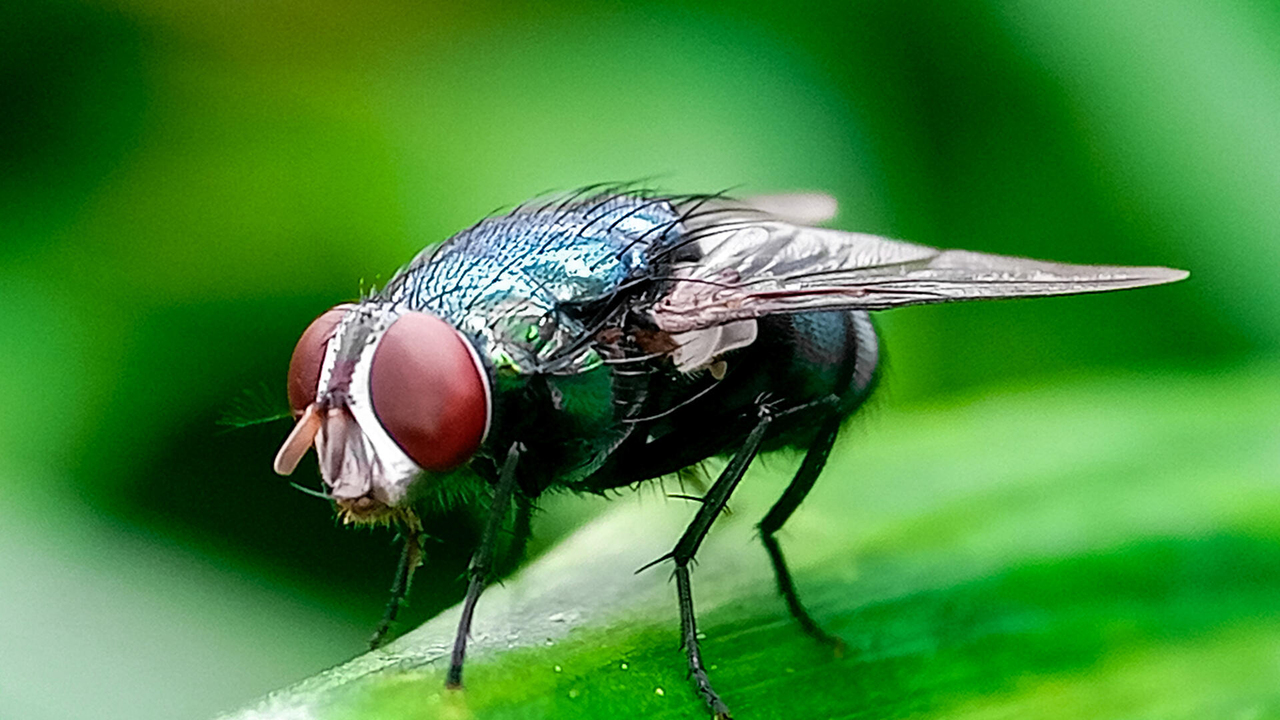
Texas and New Mexico are battling the appearance of the New World Screwworm, but no evidence of this pest has been found in Mississippi. (Photo by U.S. Department of Agriculture)
What is New World screwworm?
The New World screwworm (NWS) is the larva of a fly that was eradicated from the United States in the 1960’s. The fly, Cochliomyia hominivorax, has been travelling through Central America for the past several years and has reappeared in the U.S. in recent months. Whereas typical blowflies lay eggs on dead animals, and the developing larvae, known as maggots, eat the carcass, NWS lays its eggs in wounds on living animals and the larvae burrow into living flesh of cattle and other livestock. This causes serious damage and sometimes death of the infected animal.
Where are the nearest cases?
As of July 15, the U.S. has recorded 37 total cases of NWS since the first one was confirmed June 3, but nearly all of them were in the central-southwest portion of Texas, with one case confirmed in New Mexico. All of the cases were found in livestock, except two infections in dogs.
Does it pose a threat to our food supply?
No. While the screwworm can cause immense damage in livestock due to the burrowing of the larvae into the flesh of the animal, the food supply is safe because NWS does not affect the quality of meat or meat products. The NWS also does not affect packaged milk or dairy products, and the fly does not lay eggs on vegetables or other non-tissue surfaces.
What does it look like and how does it infect animals?
The New World screwworm fly is about the size of a housefly but is greenish blue in color with golden yellow cheeks. There is another blowfly common in the U.S. called the secondary screwworm fly that looks almost like the New World Screwworm, but it is harmless to people and animals. The New World Screwworm infects animals by laying eggs in open wounds, and in some cases, soft tissues such as the mouth, ears and anus.
Which animals are at risk and what are signs of an infected animal?
NWS doesn’t just lay its larvae in livestock and farm animals but also companion animals such as dogs and cats. It can also infect wildlife and humans.
Signs of infection include small wounds with clumps of eggs or larvae on or near the wound. These wounds are unusual in appearance, enlarge rapidly and may have a bloody or pink discharge. Animals with NWS will act agitated or lethargic, rub themselves against objects and may show a lack of appetite. An unfamiliar, foul smell is also a symptom of infection.
How can I protect my animals?
Owners of livestock and pets are asked to help by inspecting their animals frequently for signs of the pest. Look for wounds, draining tracks and places where flies land, such as the navel. Livestock owners should check wounds from castration or banding and stay up to date on fly control treatments. Pet owners need to keep their animals up to date on flea and tick control. If you see a wound that has maggots or larvae, contact your local veterinarian or Mississippi Board of Animal Health (MBAH).
What should I do if I see symptoms in one of my animals?
Anyone who suspects the presence of screwworms in animals should contact their local veterinarian who can take appropriate samples for testing and make treatment recommendations. The MBAH can also be contacted with questions or concerns by calling 601-359-1170 during regular office hours or 1-888-646-8731 after hours, or by emailing msstatevet@mdac.ms.gov.
Are there treatments if my pet or animal in my herd is infested?
Yes. Treatments are available if infection is caught early and treatment is started. There are several insecticides that are approved to treat NWS in both companion animals and livestock. A premise quarantine will also likely be imposed to prevent the spread of the fly. It is important that suspected cases are reported so that a diagnosis can be made and potential spread can be prevented. Full recovery is possible as long as the larvae are killed and a secondary infection does not set in.
What does this mean for Mississippi?
The Mississippi Board of Animal Health is prepared with a statewide response plan if there is an intrusion of the New World Screwworm. MBAH will launch joint efforts by local, state and federal agencies, including the U.S. Department of Agriculture, MSU and the Mississippi Department of Wildlife, Fisheries and Parks to prevent further infestations.