News Type
Japanese magnolias bloom early, easy for landscapes
Published
Updated

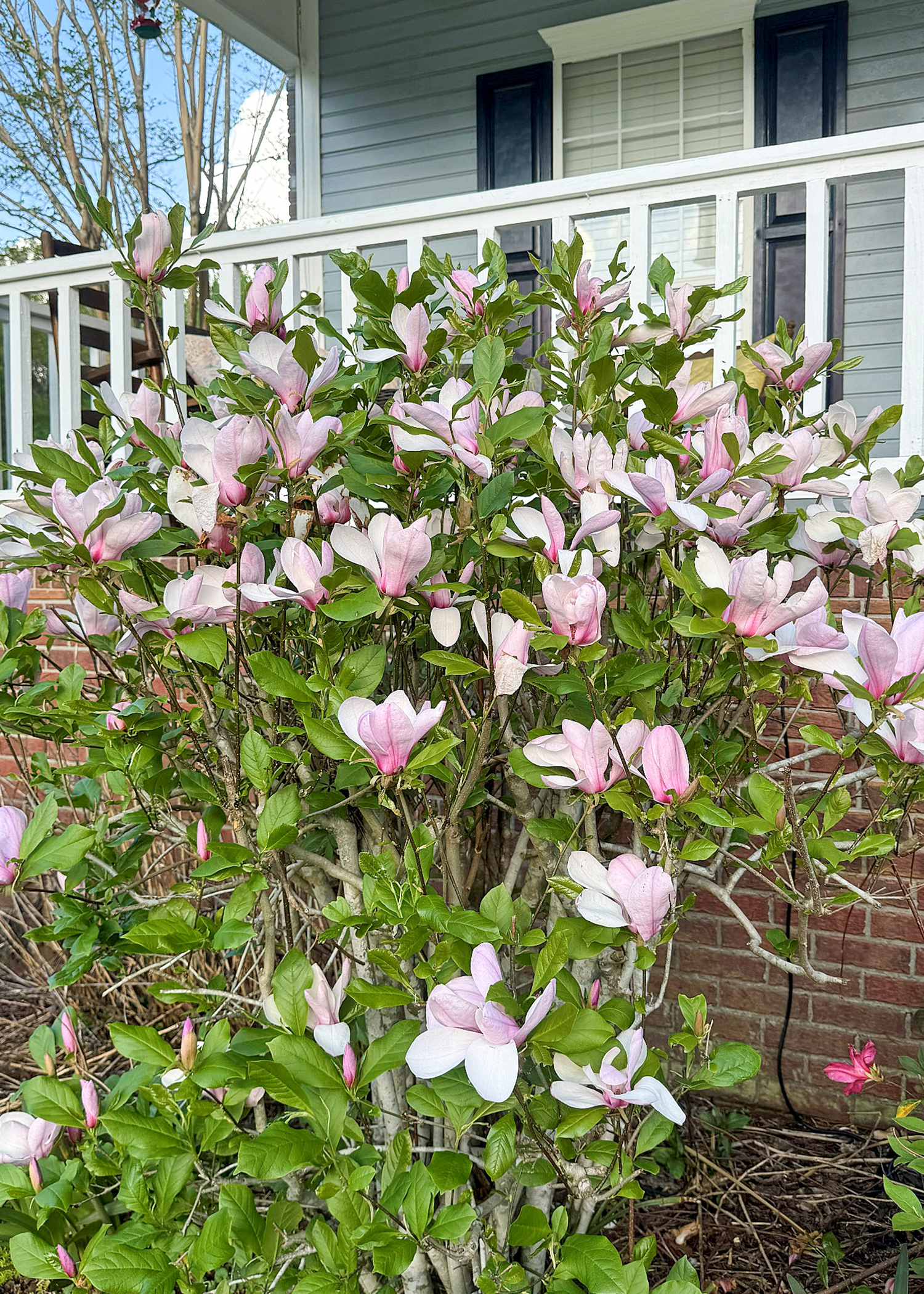
Japanese magnolias have large, goblet-shaped flowers that appear on bare branches, creating a dramatic display that’s hard to miss. (Photo by MSU Extension/Eddie Smith)
There are a few moments in the garden that truly stop me in my tracks, and the blooming of my Japanese magnolias is one of them.
Long before most trees begin to stir, these magnolias announce that spring is on the way. These are often called tulip magnolias or saucer magnolias, and I’m fortunate to have three growing in my yard. Each year, they reward me with a breathtaking show of color. They sometimes even bloom more than once.
Japanese magnolias have large, goblet-shaped flowers. These appear on bare branches, creating a dramatic display that’s hard to miss. Shades of pink, purple and soft white glow against gray skies and chilly mornings, reminding me that warmer days are just around the corner.
One of the things I love most about my Japanese magnolias is their unpredictability.
While their main bloom happens early in the year, mine will occasionally bloom again later in the season. These surprise flowers may not be as abundant as the spring display, but they feel like a little gift from the garden when I least expect it.
The newest addition to my landscape is a variety called Jane, one of the popular Little Girl magnolias.
Jane has quickly won me over with her rich, purplish-pink blooms and slightly later flowering time. That later bloom can be a real advantage in the South, where an early warm spell followed by a hard freeze can damage flower buds.
Jane tends to avoid the worst of that weather drama, making her a dependable bloomer year after year.
Japanese magnolias are well suited to Southern gardens when given the right conditions. Mine are planted in areas that receive full sun to light shade, with well-drained soil that stays consistently moist but never soggy.
Once established, they are fairly low-maintenance, needing only occasional watering during dry spells and minimal pruning. I prune only when necessary and always after flowering, since these trees bloom on old wood.
As the years pass, my magnolias mark the changing seasons, signal the end of winter and bring a sense of anticipation and joy each time their buds begin to swell.
Watching them bloom in my own yard is a reminder of why I garden in the first place -- to slow down, to notice beauty and to celebrate the simple pleasures that each season brings.
If you’re looking for a small flowering tree that delivers a big impact, a Japanese magnolia deserves a place in your landscape. Once you experience their early blooms, you’ll find yourself eagerly watching for those fuzzy buds every year, just like I do.
Images
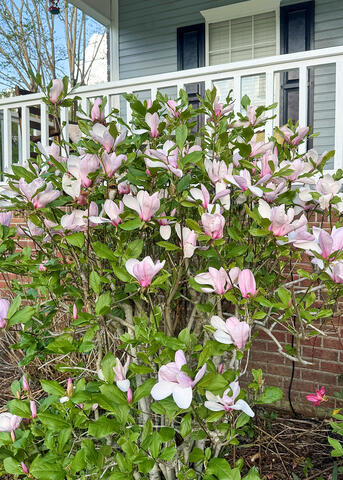
Jane is a Japanese magnolia with a slightly later flowering time. This can help it avoid late freezes that can damage flower buds. (Photo by MSU Extension/Eddie Smith)
Contacts
-
 Extension Specialist I
- Extension Programmatic Support