News Type
Daffodils are reliable sign of end of winter
Published
Updated

Gardeners must divide clumps of daffodil bulbs every few years to keep them blooming. Plant bulbs in the fall so they are ready for spring. (Photo by MSU Extension/Eddie Smith)
Every February just as winter starts to loosen its grip here in the South, my daffodils make their dependable return in my landscape.
No matter how unpredictable January has been with icy mornings, cold rain or the occasional teasing warm spell, these bright blooms rise right on schedule. As they bloom, they light up my yard with cheerful shades of yellow and soft cream.
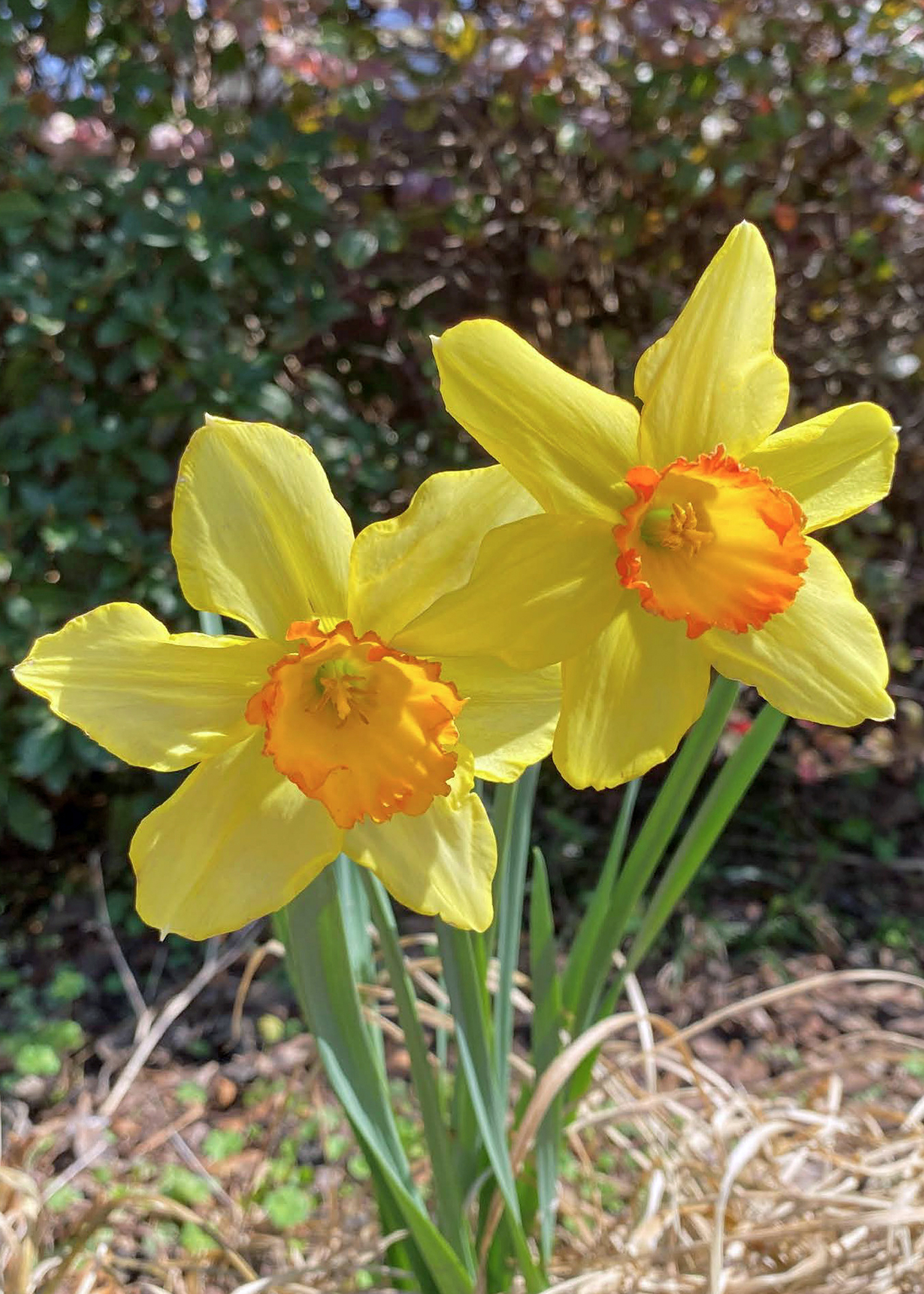
The classic golden daffodils are always the first to catch my eye.
Their sunny petals and deeper orange cups seem to glow in the low winter sunlight, especially against the still-muted landscape. Daffodils stand tall and proud, unfazed by cool nights, reminding me that spring is closer than it feels.
There are many different varieties in my yard, and each has different characteristics.
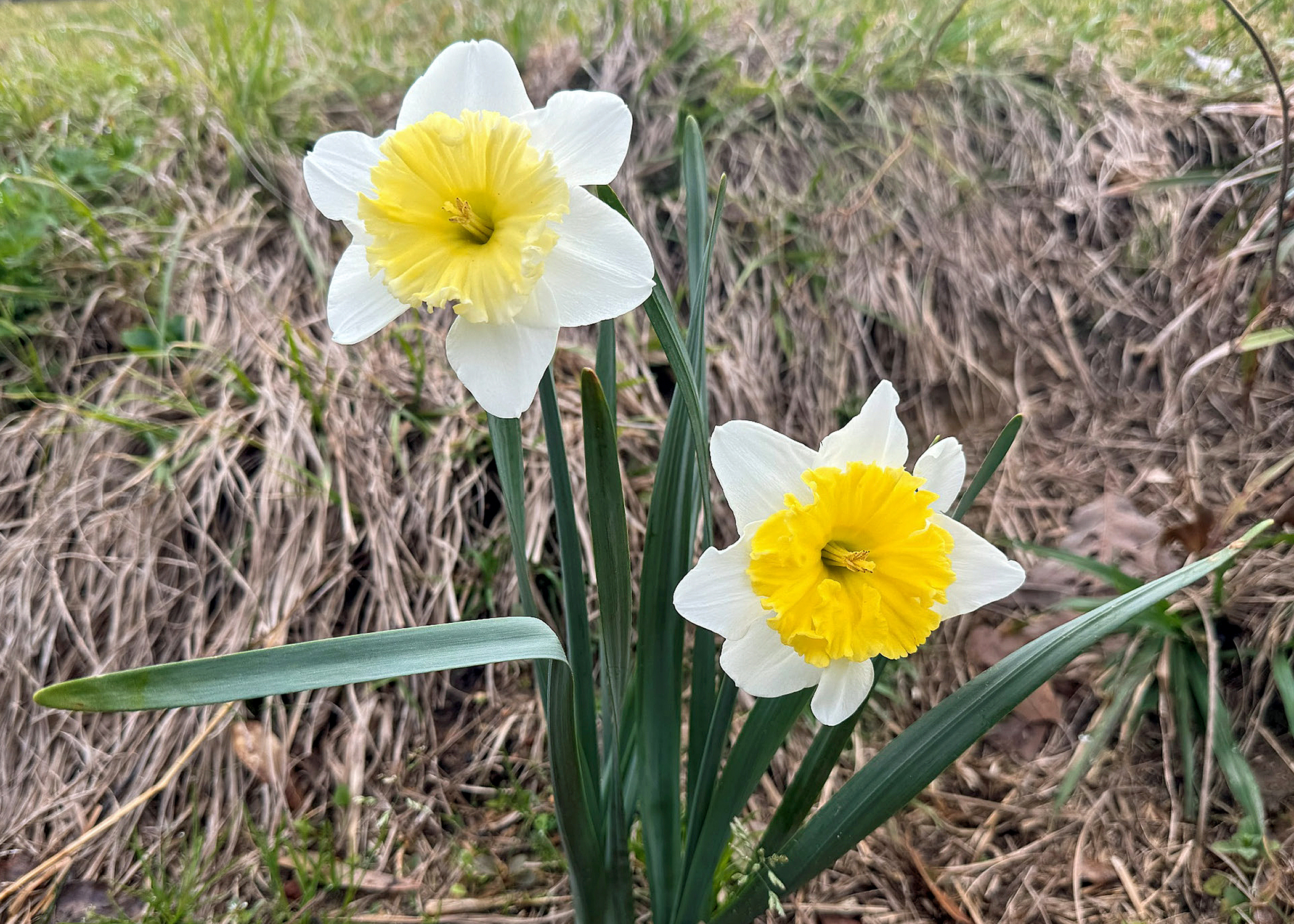
Some daffodils have pale, almost creamy white petals with a soft blush at the trumpet. Those quiet colors stop me in my tracks every year, proving that daffodils don’t have to shout to be beautiful.
What I love most about these February blooms is their resilience, and good care only makes them better with time.
Some daffodils thrive in Southern gardens because they prefer the same conditions many of our winter and spring plants enjoy. However, other varieties only bloom for one year because they can’t handle our Southern climate.
All daffodils perform best in well-drained soil; bulbs that sit in soggy ground are more likely to rot. If your soil is heavy, amending it with organic matter or planting on a slight slope can make all the difference in the success of your daffodils.
Full sun produces the strongest blooms, but daffodils also do well in light shade, especially under deciduous trees that leaf out later in spring.
Planting time is just as important as location.
In the South, that means the best time to plant these bulbs is fall, usually October through November. Set them about two or three times as deep as the bulb is tall and make sure the pointed end faces up.
Space the bulbs a few inches apart to allow room for daffodil clumps to expand over time.
Once established, daffodils are remarkably low maintenance. They rarely need supplemental watering except during extended dry spells, and they are naturally resistant to deer, squirrels and most pests.
After flowering, it’s tempting to tidy things up, but letting the foliage die back naturally is one of the most important care steps. Those green leaves are feeding the bulb and setting the stage for next year’s blooms. I usually wait until the foliage turns yellow and pulls away easily before removing it.
If flowering begins to decline, it may be time to divide bulb clumps. Clumps that become too crowded will not bloom. Every few years, you must dig these up and replant them with more space for them to grow. This is best done after the foliage has completely died back.
Lifting and replanting bulbs not only rejuvenates bloom production but also gives you extra bulbs to spread around the garden or share with friends.
Daffodils have become part of my seasonal rhythm in the garden. Their blooms signal the beginning of the camellia fade-out and hint at what’s next: azaleas and all the other spring favorites waiting in line.
With just a little thoughtful care, daffodils reward gardeners with decades of dependable beauty. In a yard, they’re more than just flowers; they’re a promise. And every February, they keep it.
Images
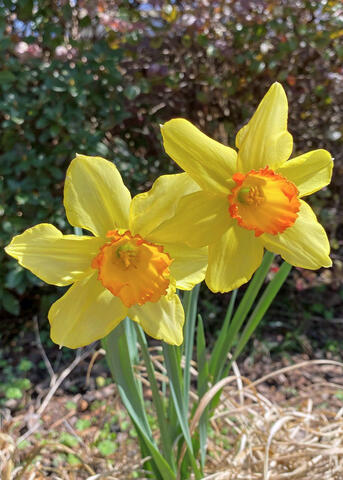
Daffodils perform best in well-drained soil in full sun. (Photo by MSU Extension/Eddie Smith)
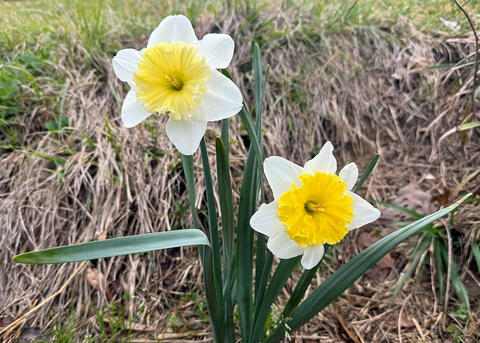
Daffodils are one of the most dependable indicators that winter is on its way out as they begin to bloom each February in the South. (Photo by MSU Extension/Eddie Smith)
Contacts
-
 Extension Specialist I
- Extension Programmatic Support