News Type
Winter is right time to plant fruit trees
Published
Updated

Plum trees are excellent choices for Southern landscapes. Select varieties that do not require a lot of chill hours for fruit maturity. (Photo by MSU Extension/Eddie Smith)
As we approach the new year, I find myself thinking about fresh starts in the garden.
While many people see winter as a time of rest for their landscape, here in the South, it’s actually one of the best seasons to plant fruit trees. Cooler temperatures, increased rainfall and dormant plant growth all work in our favor. New trees get a much easier start, with less stress and better conditions to settle in and build strong roots before spring growth kicks in.
One of the biggest advantages of planting in late December through February is that fruit trees are typically sold as bare-root or dormant container-grown plants this time of year. This makes them easier to handle, and they also transplant with far less stress than when planted in the heat of spring or summer.
When planted in winter, trees settle into the soil and begin rooting quietly all winter long.
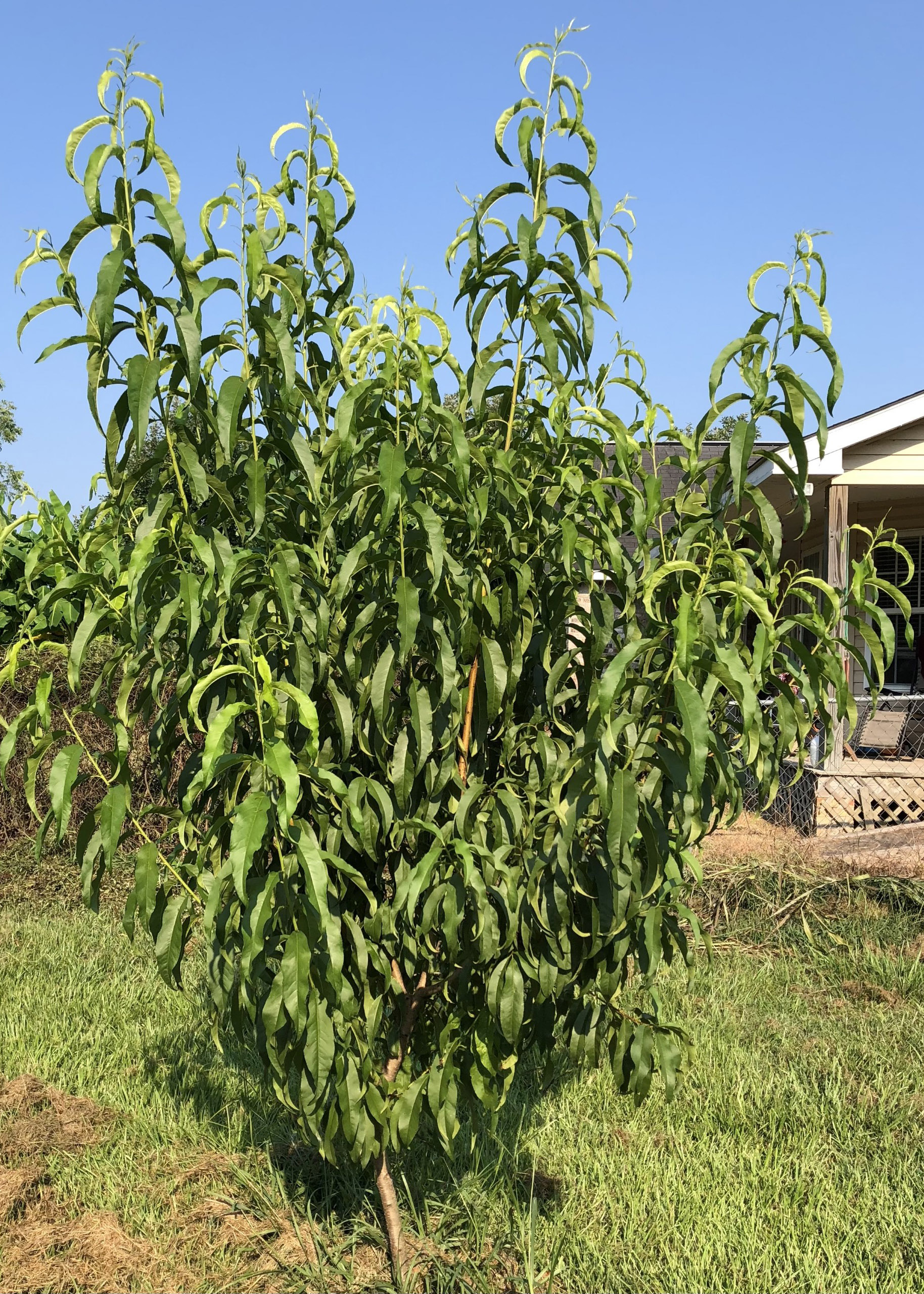
When choosing fruit trees for your landscape, select varieties adapted to our Southern climate. In my garden, I’ve had great success with peaches, plums, blueberries and persimmons. Peach and plum trees are also excellent choices.
Look for varieties that do not require a lot of chill hours for fruit maturity. Low chill-hour varieties of peaches include Flordaprince, Flordaqueen and Flordaking. Good plum varieties are Methley and Au-Producer.
These varieties were developed specifically for warmer climates and reliably produce in Mississippi’s mild winters.
If you are looking for a native plum, try the Chickasaw plum that was cultivated by Native Americans.
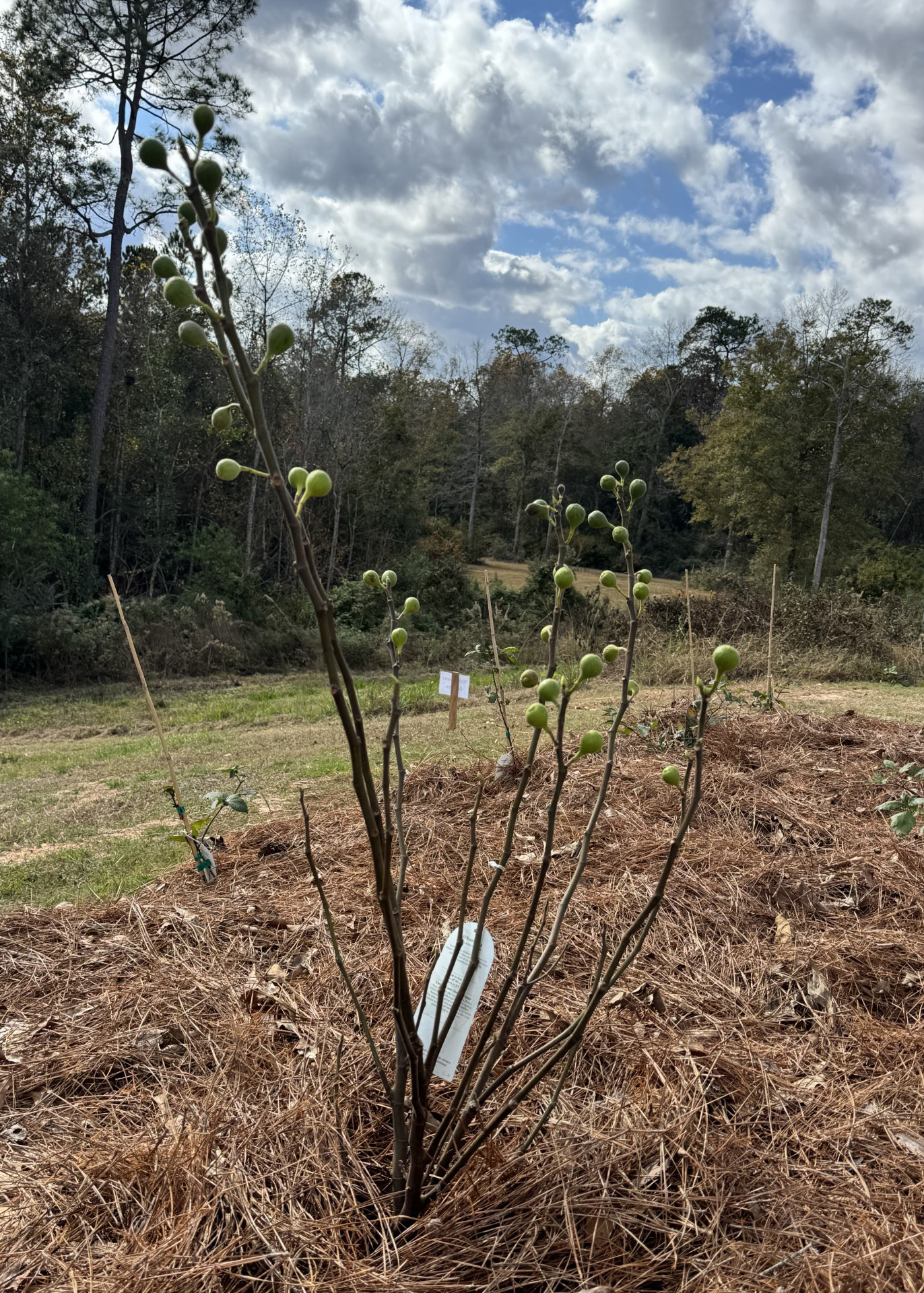
If you prefer something even easier, consider figs.
Varieties like Celeste and Brown Turkey are almost foolproof in the South. They love the heat, tolerate drought once established and reward you with sweet figs by midsummer. Figs prefer a well-drained site and benefit from a thick layer of mulch to protect their shallow roots.
Apples and pears can be successful too, as long as you choose the right types.
For apples, Anna, Dorsett Golden, and Ein Shemer perform well in low-chill regions. Southern pears such as Orient, Baldwin and Kieffer are hardy, disease-resistant, and produce reliably, even in challenging conditions.
Make sure to plant your fruit trees in a sunny location with good air circulation, as this helps reduce disease pressure during our humid summers.
No matter what you plant, preparation is key.
Dig your hole twice as wide as the root ball, but no deeper. Set the tree so that the graft union sits just above soil level, and backfill with the native soil instead of adding rich amendments that can discourage roots from spreading. Water deeply after planting and continue watering through winter when the soil becomes dry.
Add a circle of mulch to help retain moisture and suppress weeds, but keep it pulled back a few inches from the trunk.
As we look ahead to a new year full of possibilities, consider adding a fruit tree or two to your landscape. You can start a new year fruit tree planting tradition that will be an investment in future harvests.
There’s something satisfying about watching a young tree grow and knowing that in just a few seasons, you’ll be picking homegrown fruit from your own backyard.
Images
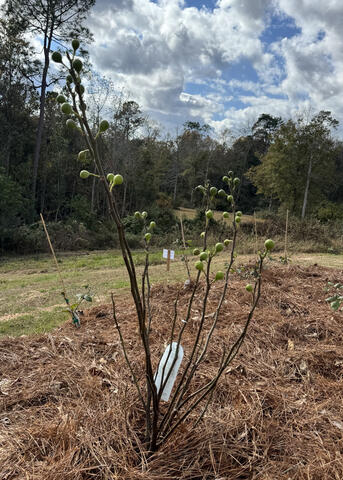
Certain varieties of fig trees are almost foolproof in the South. They love heat, tolerate drought and produce sweet figs by midsummer. (Photo by MSU Extension/Eddie Smith)
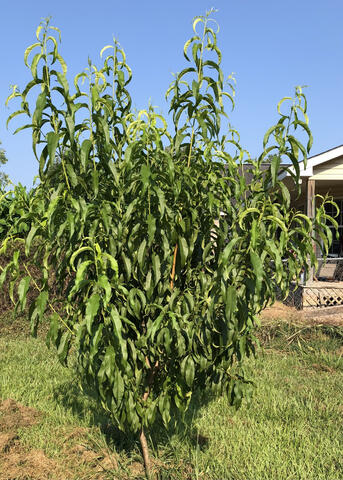
When choosing fruit trees, select varieties adapted to the Southern climate. There are several good peach choices available for Mississippi. (Photo by MSU Extension/Eddie Smith)
Contacts
-
 Extension Specialist I
- Extension Programmatic Support