News Type
Certain plants keep gardens bright despite winter weather
Published
Updated

Pansies provide dependable, cheerful winter color, and are mixed with snapdragons here in a basket. Snapdragons are surprisingly cold-tolerant, often continuing to bloom after light freezes. (Photo by MSU Extension/Eddie Smith)
Though the temperatures have cooled down, it doesn’t mean our gardens have to fade into the background.
Some plants truly shine when the weather turns crisp; they offer long-lasting color and charm throughout the winter months. With a little planning, you can create containers and garden beds that stay vibrant even during the coldest days.
One of my top choices for dependable, cheerful winter color is the pansy.
These cool-season favorites come in just about every color you can imagine. Bright golden yellows, velvety deep purples, snowy whites and soft pastel blends are just a few of the options available.
Modern varieties even feature whiskered faces and ruffled petals for extra personality.
Pansies thrive in full sun to partial shade and appreciate well-drained, fertile soil. Plant pansies in early fall so they can establish strong roots before winter sets in. Once they’re settled, pansies bloom continuously through frost, and in many cases, right up until spring.
If you want to add height and a bit of drama to your winter display, snapdragons are hard to beat.
Their elegant spikes bring vertical interest to beds and containers. Snapdragons come in an array of bold colors ranging from classic reds and pinks to apricot, peach and bicolor forms.
Snapdragons are surprisingly cold-tolerant, often surviving light freezes and continuing to bloom during mild stretches. They perform best in full sun with rich, well-drained soil.
Violas are another plant that deserves a spot in every cool-season garden.
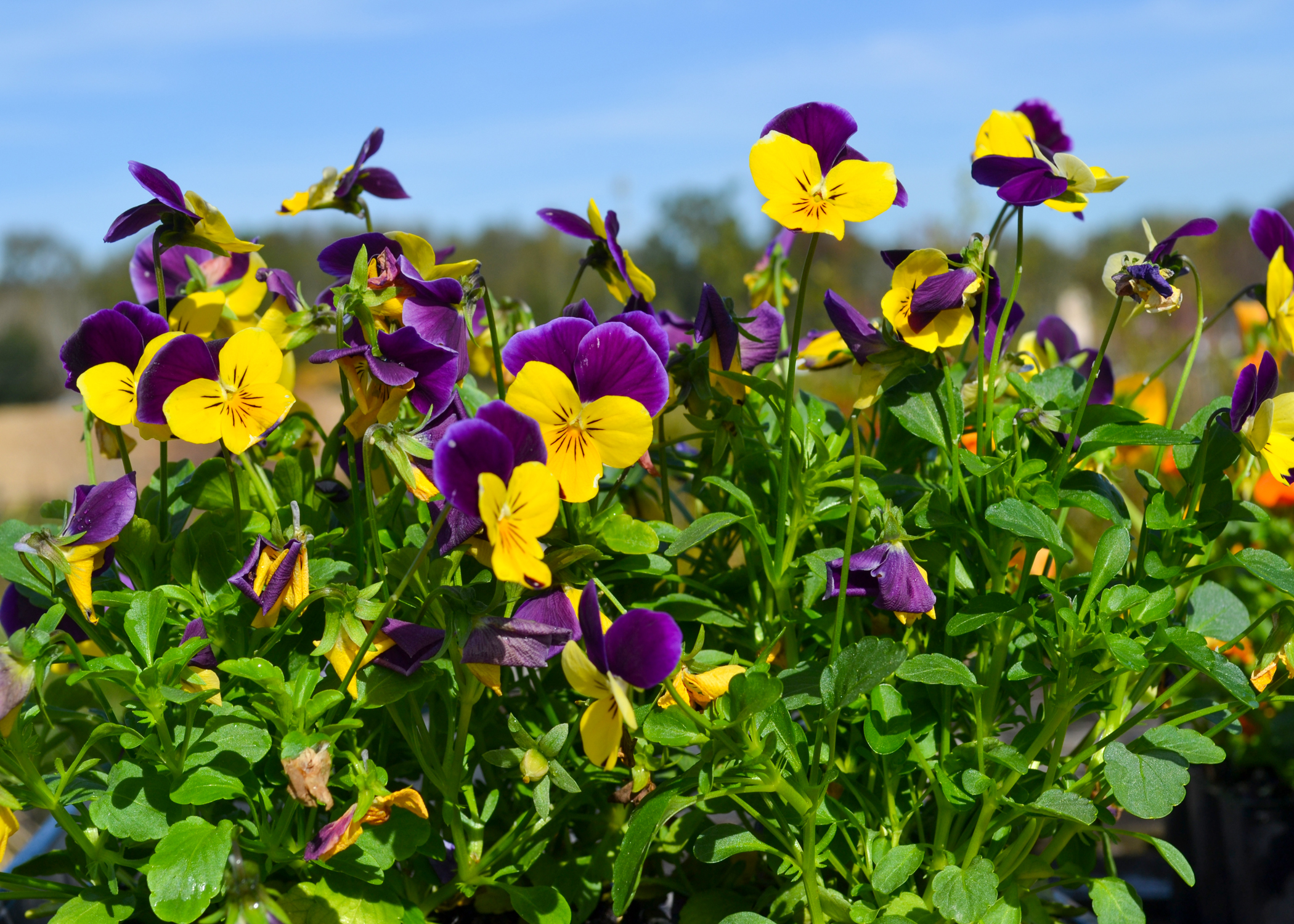
Violas have smaller blooms than pansies, but they produce them in abundance, often outperforming pansies during the coldest stretches of winter. Violas come in an impressive range of colors and patterns, such as solid, bicolor and speckled forms, as well as the ever-popular jump-ups.
Jump-up violas, often called johnny-jump-ups, are beloved for their charming, cheerful faces and remarkable toughness.
These little plants have a delightful habit of blooming early, bouncing back quickly after cold snaps, and reseeding lightly. This feature allows them to return in unexpected corners of the garden year after year.
Violas prefer full sun and well-drained soil. Because they stay compact, they’re perfect for edging beds, tucking into containers, or mixing in hanging baskets. Their resilience and nonstop blooming make them true winter workhorses.
For a more dynamic planting, mix tall varieties in the back with dwarf or intermediate types at the front for layers of color and texture. Butterflies and other pollinators appreciate snapdragons, even in cooler weather.
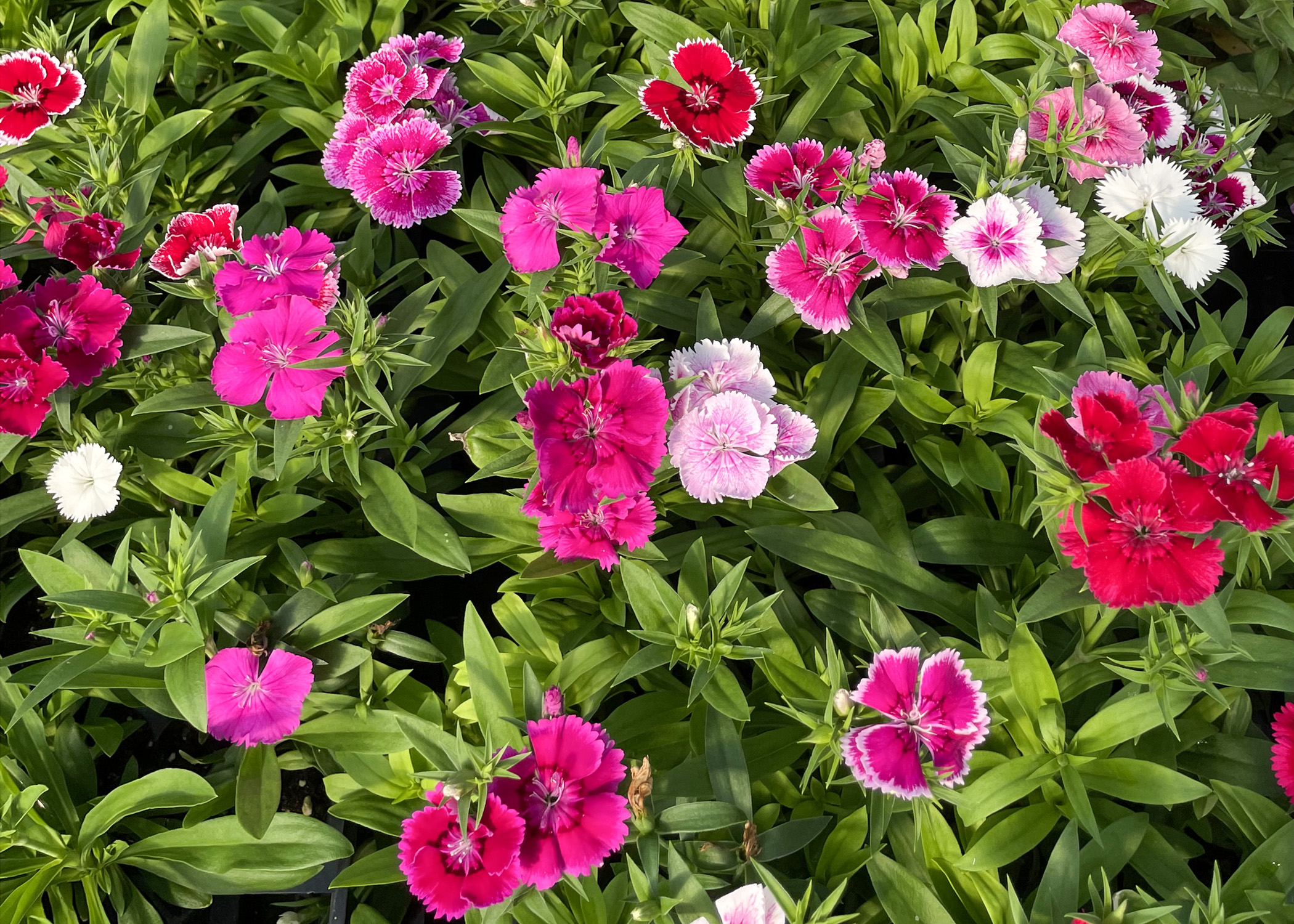
Dianthus, affectionately called “pinks,” round out any winter garden beautifully.
These compact, tidy plants have charming, fringed blossoms in shades of pink, red, lavender and white. Many varieties are delightfully fragrant, adding a sweet, spicy note to the garden on sunny winter days.
Dianthus thrive in cooler temperatures, making them a natural companion to pansies and snapdragons. Plant them in full sun with soil that drains well, as they dislike staying too wet.
With proper conditions, dianthus will bloom intermittently throughout the winter and come back strong in spring. I have a pink dianthus that even blooms well into the summer months.
By combining colorful pansies, stately snapdragons and compact dianthus, you can create a winter garden that’s anything but dull.
Images
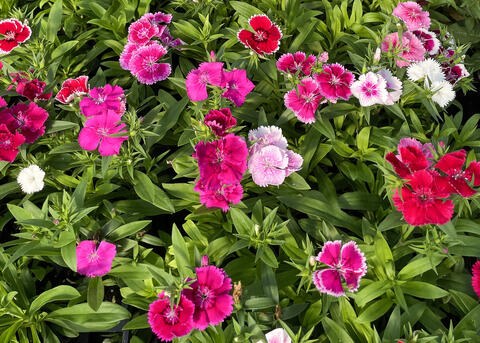
Dianthus flowers, affectionately called “pinks,” are compact, tidy plants with charming, fringed blossoms. Many varieties are delightfully fragrant. (Photo by MSU Extension/Eddie Smith)
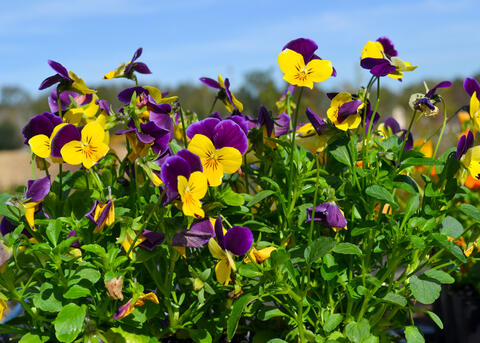
Violas produce an abundance of blooms, often outperforming pansies during the coldest stretches of winter. (Photo by MSU Extension/Eddie Smith)
Contacts
-
 Extension Specialist I
- Extension Programmatic Support