Extension Matters
Volume 12 Number 2
Seeing the Forest Through the Trees
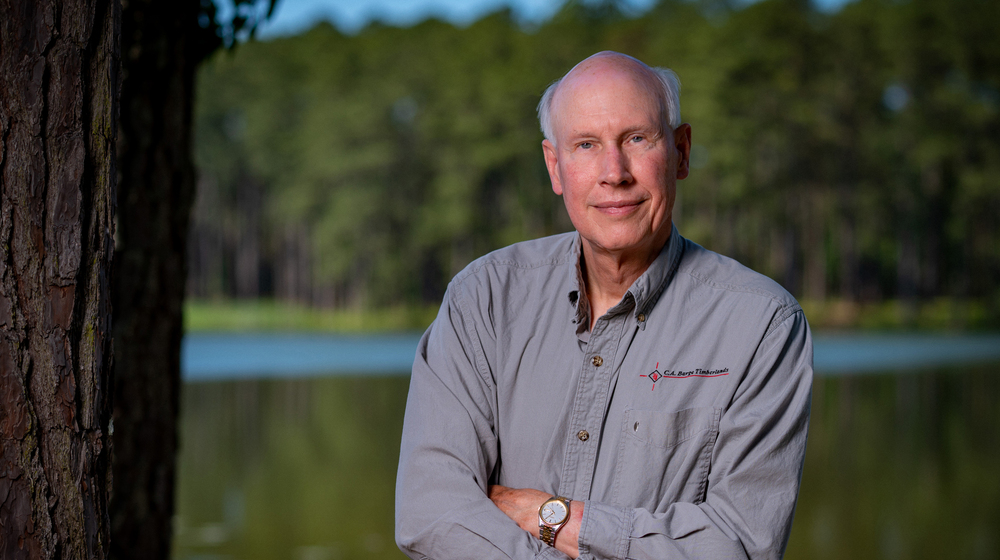
David Barge, Barge Forest Products and Barge Timberlands Company owner and president
Barge Timberlands partners with, teaches through Extension
Story by Leah Bowers | Photos by Kevin Hudson
Love the land. Love the forest. Love to steward.
It’s the Barge business model.
The Barge family is well known throughout Mississippi because of Lake Forest Ranch, a Christian summer camp and retreat center in Noxubee County near Macon. Begun in 1950, Lake Forest Ranch has hosted tens of thousands of children over the years in the deep country and beautiful forests.
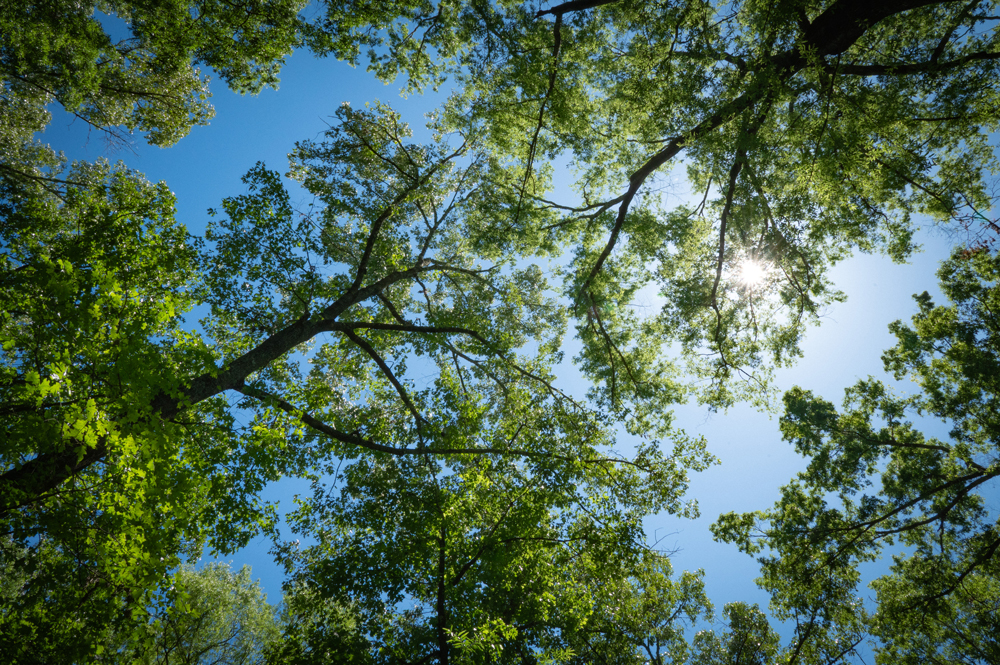
In 1942, C. A. Barge bought thousands of acres of forest from Attala County through Winston and Noxubee Counties, but he sold the timberland west of Noxubee County in 1953. The timber was already cleared when the purchase was made, and Barge wanted to restore the land to natural stand conditions. He began a natural regeneration program to restore and maintain the land.
While observing a logging operation in the woods in 1959, Barge died of a sudden heart attack, and his son, Richard Barge, became manager of the forestland, Charles Richard Barge Forest. He committed to his father’s vision and focused on sustainability and conservation while growing quality timber. He opened a sawmill, Barge Forest Products Company, to manufacture lumber. He managed the forest for 50 years and passed away at 94 years old in 2025.
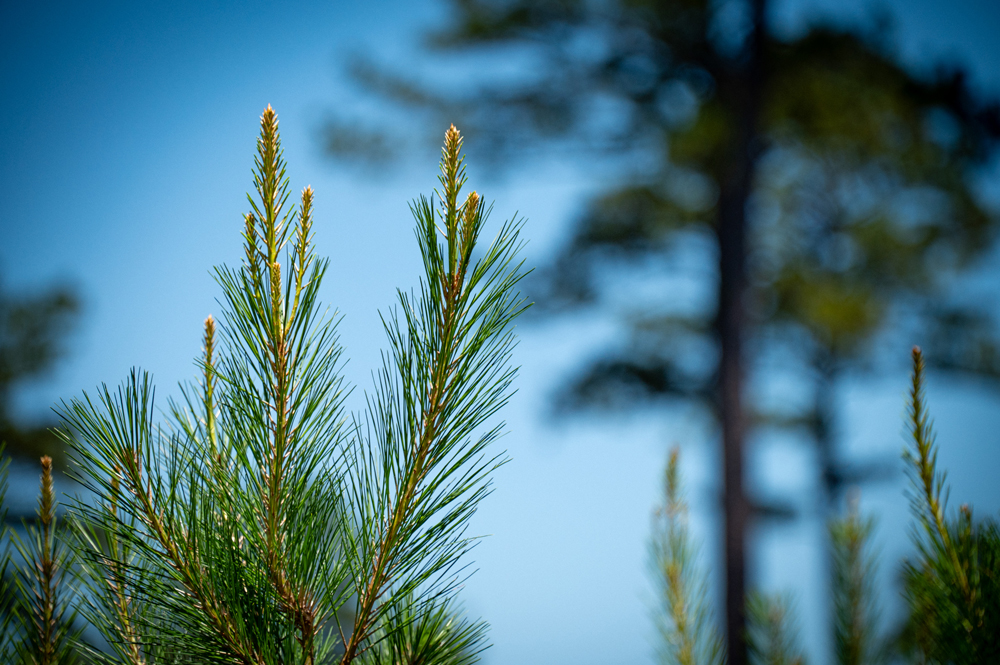
The forest continues growing, natural regeneration continues, and the sawmill continues production. While the entire Barge family continues to oversee the companies and forest, David Barge, son of Richard and grandson of C. A., is now president of Barge Forest Products and Barge Timberland Management.
“The way we look at things here: the main thing is our service to the Lord,” he affirms. “We’re known for the quality of our lumber, and we work with Extension to share what we’re doing.”
The Mississippi Agricultural and Forestry Experiment Station, or MAFES, conducts research in Barge’s forests, and the Mississippi State University Extension Service bridges the gap between research and application by delivering research-driven solutions to timber producers and forest managers.
“When I was at MSU, I majored in forest management for my Bachelor of Science and did my master’s in forestry business,” Barge explains. “I worked for MAFES collecting data for a fellow graduate student who was researching the cost of funding to private forest landowners and helping them do work on their forests.”
Extension recently hosted a forest regeneration workshop on Barge’s property to showcase natural forest regeneration in action. Both southern pines and hardwoods were discussed, and participants visited different tree stands to view different stages of the process. Around 50 landowners, foresters, and loggers attended the workshop.
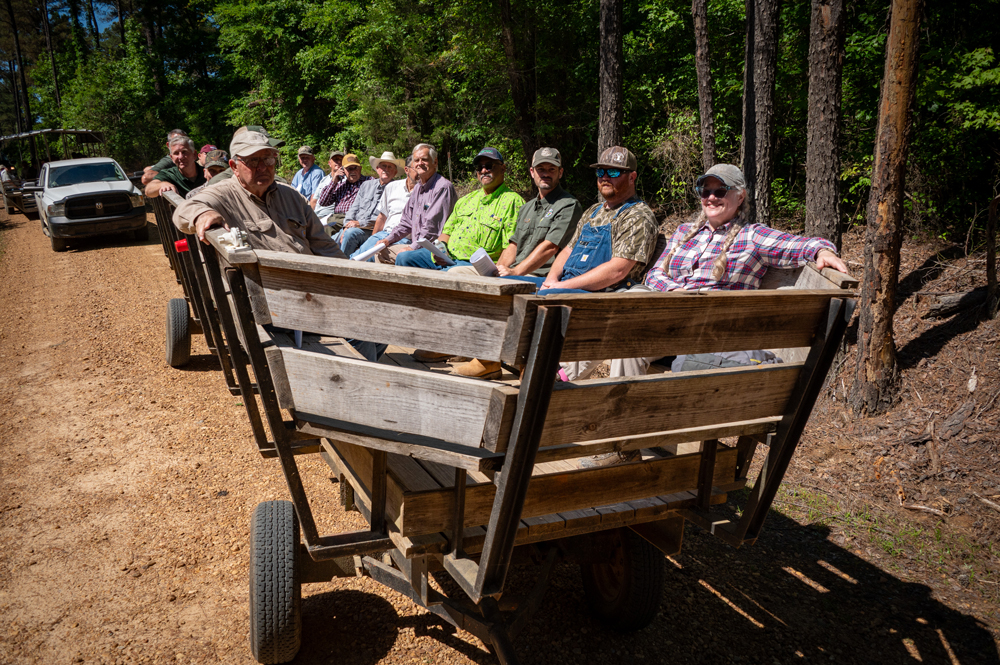
Unlike artificial regeneration, where seedlings from nurseries are planted, natural forest regeneration allows the best mature trees to reseed the forest. To be profitable, the lower estimated costs of natural reseeding must outweigh the risks of lower yields.
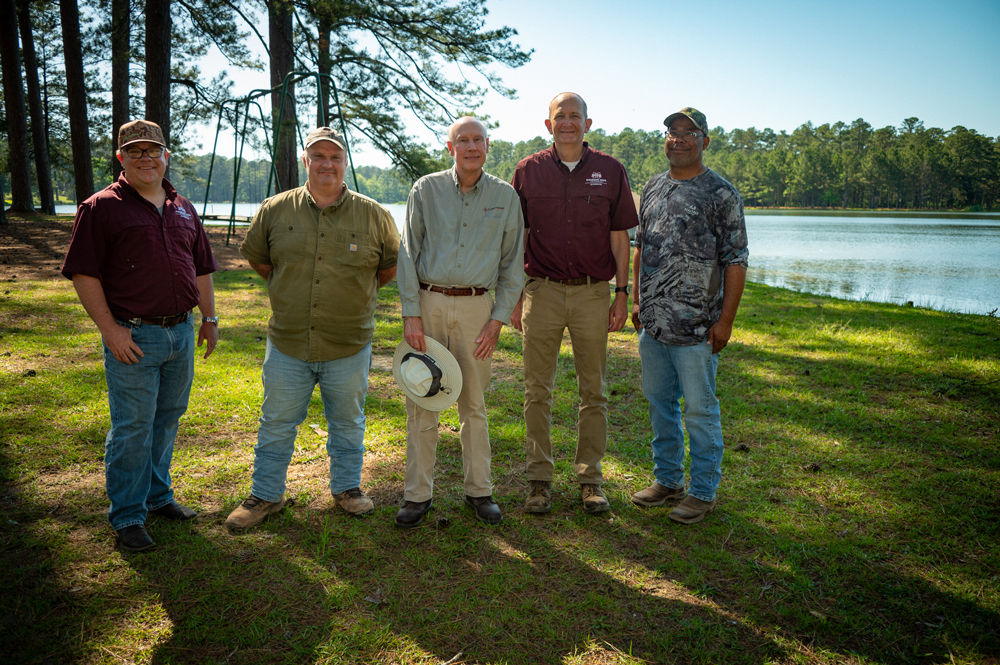
Drs. Brady Self and James Shannon, Extension forestry specialists, presented along with Steve Prestridge, vice president and timberlands manager for Barge Timberland Management.
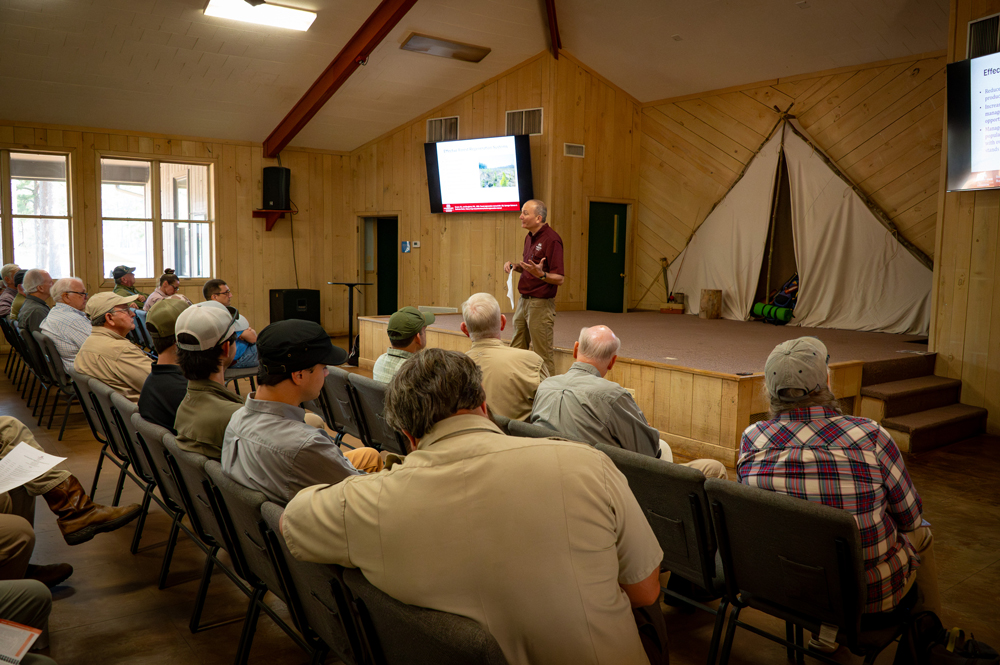
“We’re driven by biological models,” Prestridge explains. “So, we’re making biological decisions besides financial decisions. We are here to produce and sell quality timber, and we want to be faithful stewards of God’s resources.”
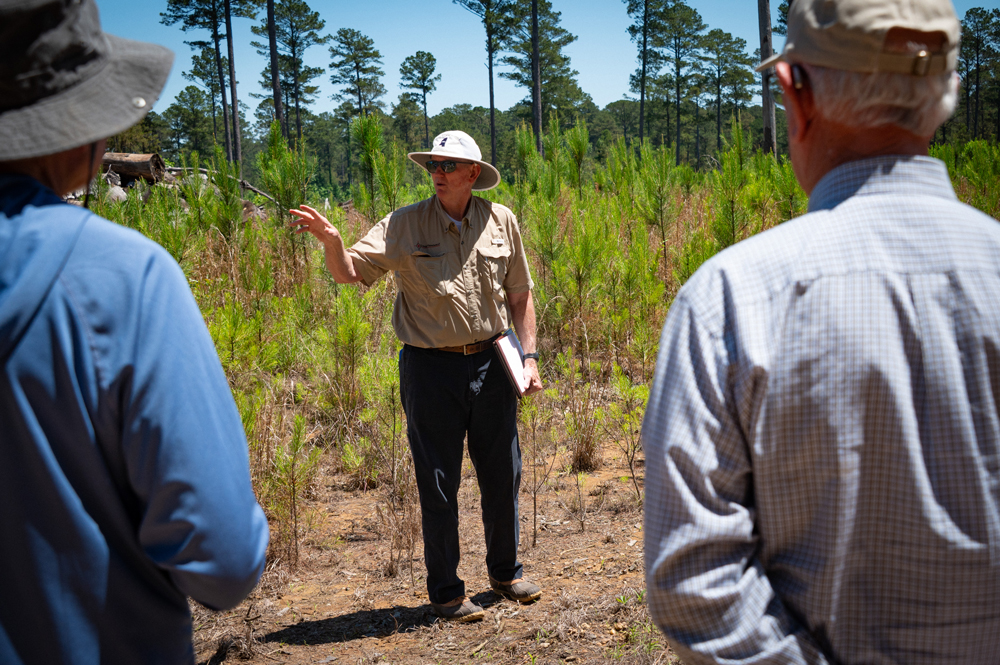
Participants also toured research plots, harvest sites, and different stages of forest regeneration.
“About half of you are foresters and about half are landowners,” Brady says. “So, we’re going to give you the information you need to determine what’s best for your forests.”
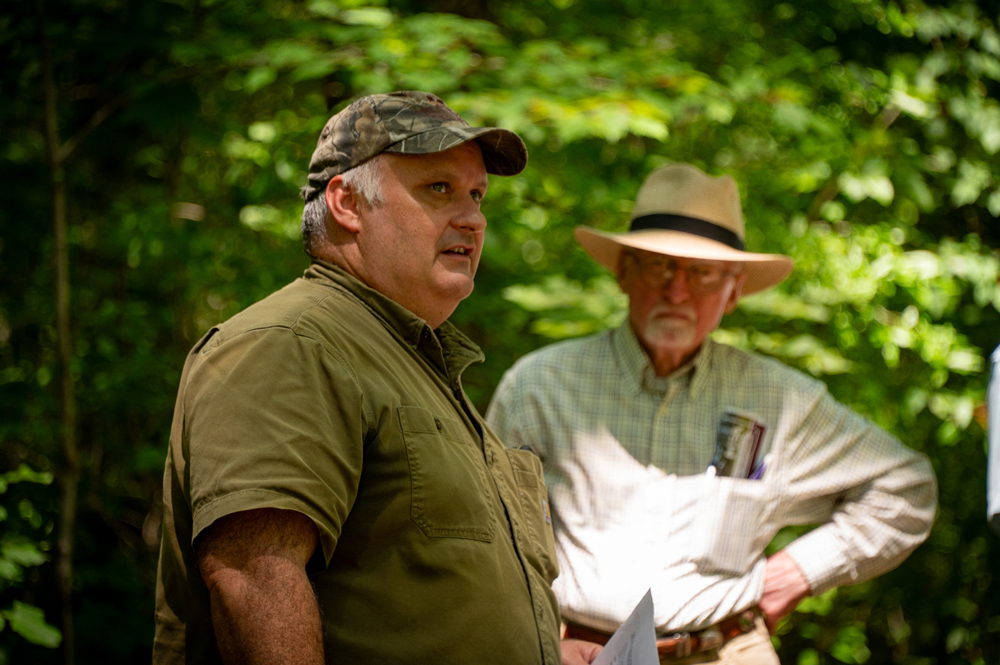
Partnering with Extension to offer education is important to Barge; it’s just one more way to deliver positive impacts on people’s lives.
“Our mission is to be faithful stewards of God’s resources, and our vision is to be the world’s preferred provider of select Southern pine through sustainable growth,” he says. “As for values, we’re a dedicated team serving with integrity and compassion.
“This is a mission for Christ.”
Contacts
-
 Extension Professor
- Forestry
-
 Extension Specialist I
- North MS Research and Extension Ctr