Extension Matters
Volume 12 Number 1
Playing in the Dirt
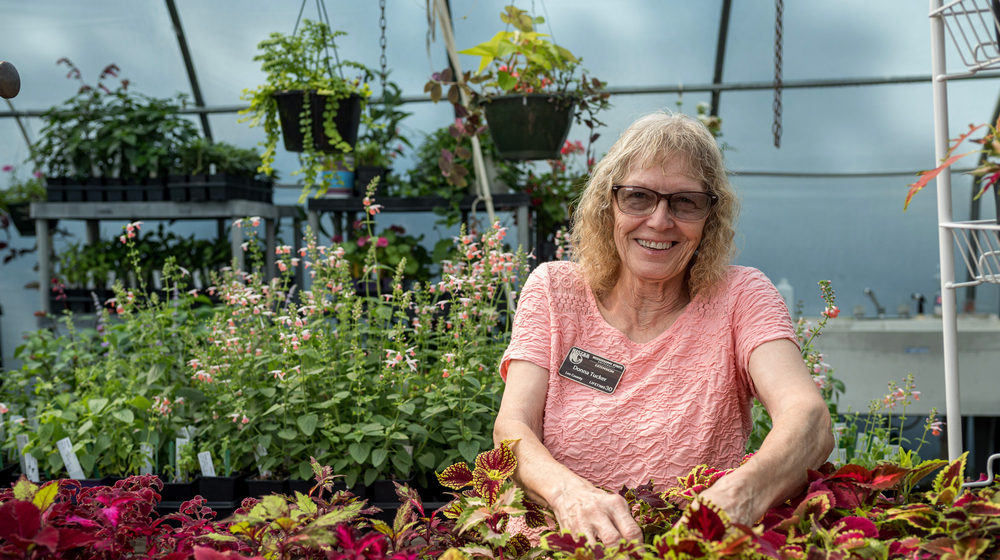
Donna Tucker, Lee County Master Gardener
Longtime Master Gardener Uses Skills to Serve Others
Story by Nathan Gregory | Photos by Kevin Hudson
Lee County Master Gardener Donna Tucker remembers meeting a child who told her she had never played in the dirt before.
The comment surprised her, but it also reminded her why she became a volunteer with the horticultural program in the first place.
Through teaching youth, mentoring volunteers, and helping organize one of Lee County’s largest annual gardening events, Tucker has seen firsthand how gardening education can shape community.
“I met people I probably would have never met otherwise that have become wonderful friends, and we have worked together on projects throughout the years,” she says. “I am still learning about gardening all the time because of all the programs and opportunities offered by the Master Gardener program.”
Tucker is a charter member of the Lee County Master Gardeners and was certified in 1995. She has served in many roles, including managing the greenhouse, mentoring newer volunteers, and playing a major part in the county’s annual Master Gardener Plant Sale each spring.
What began years ago as a small sale out of the back of a pickup truck has grown into an event that now includes more than 10,000 plants, many of which are difficult to find in local nurseries.
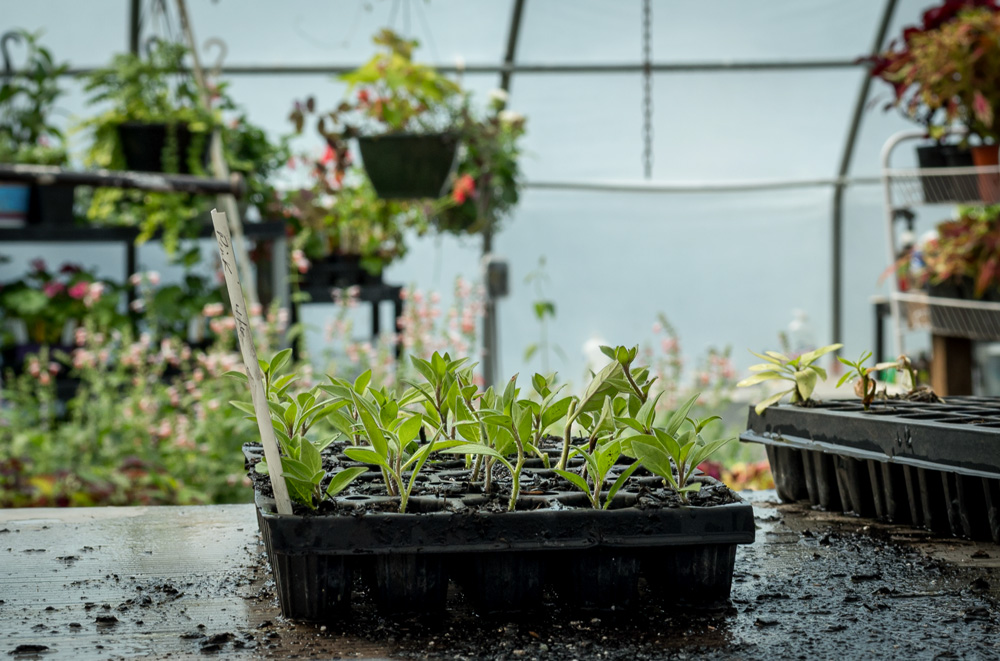
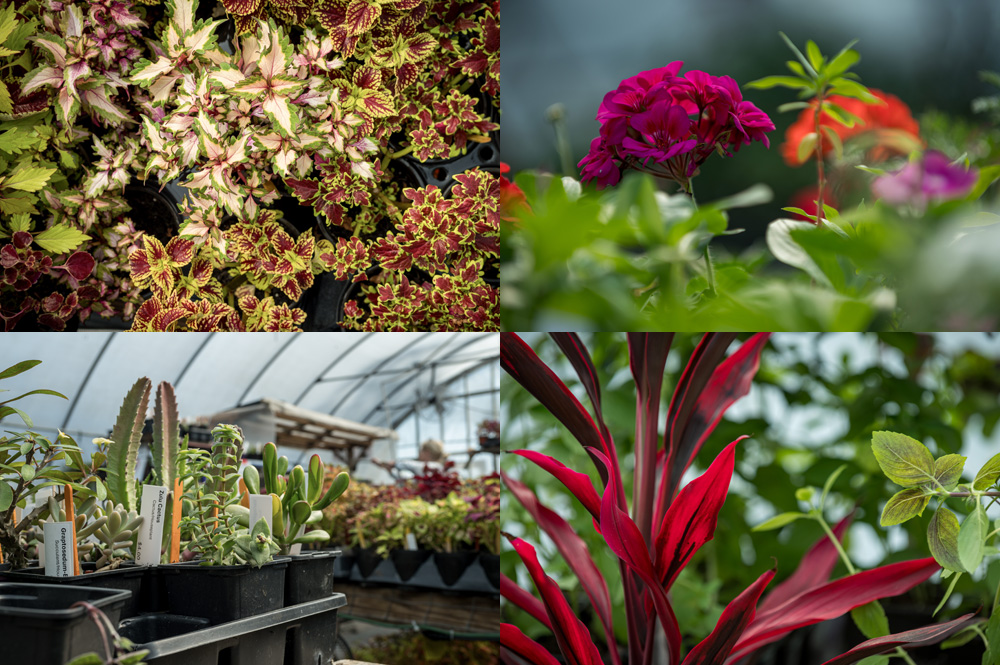
But Tucker gains the most satisfaction from the process that takes place in the greenhouse well before the sale—she simply loves the work of propagating plants for the event.
“It is exciting to see seedlings popping up or that the cuttings we stuck have developed roots and are ready to be potted up to grow into full-size plants,” she says.
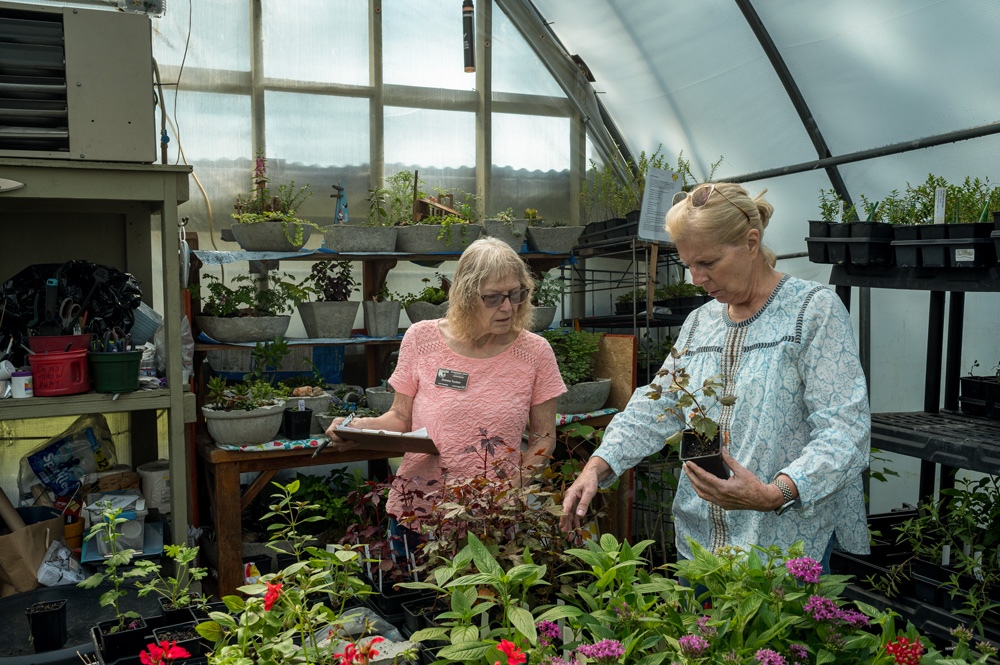
Tucker is also intentional about setting customers up for success. She insists that each plant sold during the sale includes a tag with basic plant information—something she believes helps ensure positive experiences for gardeners of all skill levels.
“Her hope is that every shopper succeeds in growing the plants they purchase,” says Susan McGukin, Master Gardener program associate who coordinates Tucker’s group—the largest active Master Gardener group in the state.
Coordinated by the Mississippi State University Extension Service, the Master Gardener program trains and certifies volunteers in consumer horticulture. In exchange for 40 hours of educational training, they return 40 hours of volunteer service within one year of their training.
After the first year, volunteers are required to return 20 hours of volunteer service and to attend 12 hours of educational training to remain certified. In addition to providing a public service, this model helps Extension offices in each of the state’s 82 counties reach a broader audience than is possible with only one or two agents.
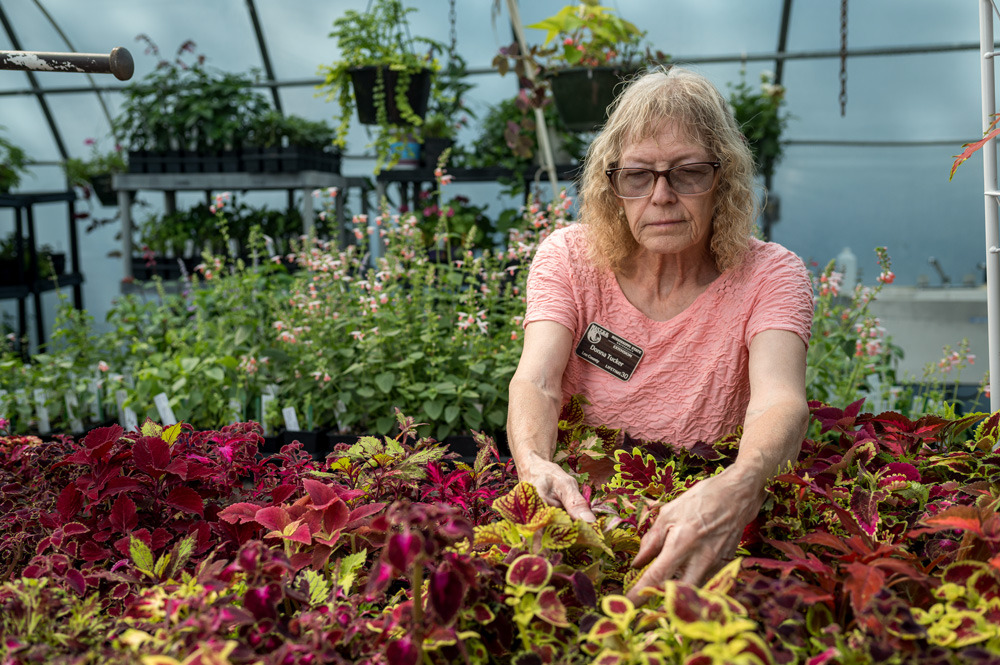
Continuing education is offered to encourage long-term commitment. Most certified Master Gardeners serve five to seven years and help extend the educational arm of MSU to the public by providing horticultural information and service based on university research and recommendations.
Beyond the plant sale, Tucker’s volunteer hours extend into youth education and community outreach. She has taught children through the Junior Master Gardener program and Dirt Daubers Camp, experiences she says are among the most meaningful parts of her service.
She was also instrumental in the initial phase of establishing the Spring Street Garden, a demonstration garden the Lee County Master Gardeners established in 2009 with contributions from the Tupelo Garden Club and Keep Tupelo Beautiful. Tupelo residents are invited to collaborate with the gardeners in maintaining and growing plants in the park located on South Spring Street in Tupelo.
McGukin says volunteers like Tucker significantly expand Extension’s ability to reach the public with research-based horticulture information.
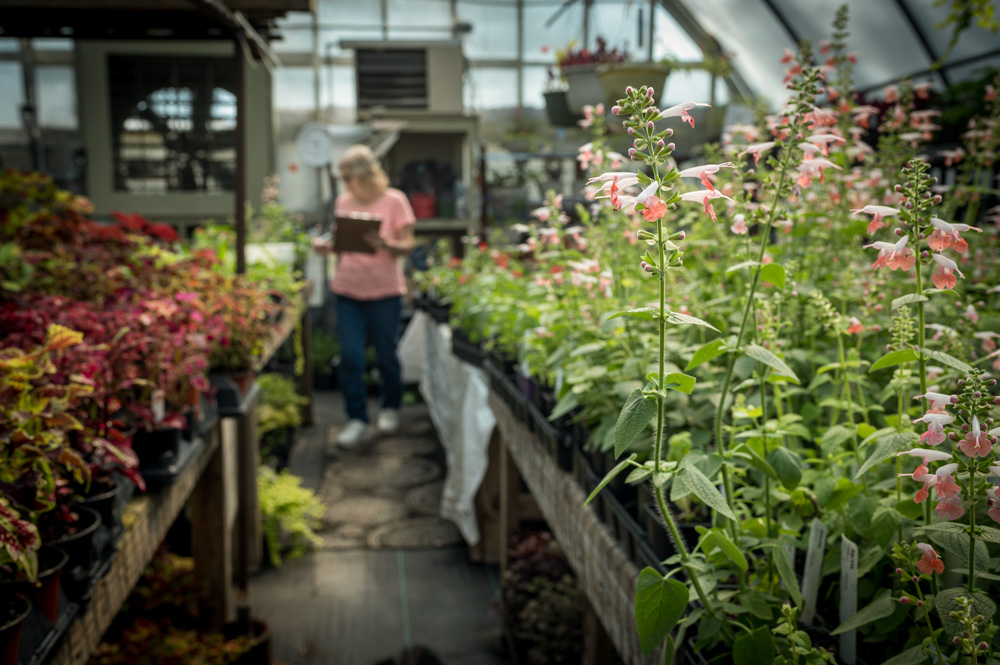
“Master Gardeners like Donna are a joy to work with because they truly love gardening and are enthusiastic about sharing their knowledge with others,” McGukin emphasizes. “Donna is willing to travel to other counties to present programs, invite Master Gardeners from other areas to the greenhouse for tours or lessons, and continually educate our local volunteers during seasonal workdays.”
Tucker credits Extension and the Master Gardener program with helping her learn how to teach and communicate effectively—skills she wasn’t aware she had when she joined.
“I had never taught anything before I became a Master Gardener,” she explains. “The program helped me learn how to research and develop a program, and Extension sent someone to teach us how to do PowerPoint to make our programs better.”
The emphasis on research-based education is a key reason for Tucker’s longevity in the group. She values having access to accurate, up-to-date information from MSU Extension, which she says allows volunteers to better serve the public.
Tucker sees the Master Gardener program as both an educational resource and a way to build stronger communities. She encourages anyone considering becoming a Master Gardener to look beyond the classes and training to the relationships formed through volunteer work.
“You will learn through the training,” she says, “but you will also learn so much from working with other Master Gardeners on the different projects you choose to help with.”
Her memory of the child she introduced to gardening remains a powerful motivation for staying involved.
“I hope that child and the people who come to our programs keep playing and growing things in the dirt,” she says.
Authors
-
 News Writer
- Agricultural Communications